 blog
blog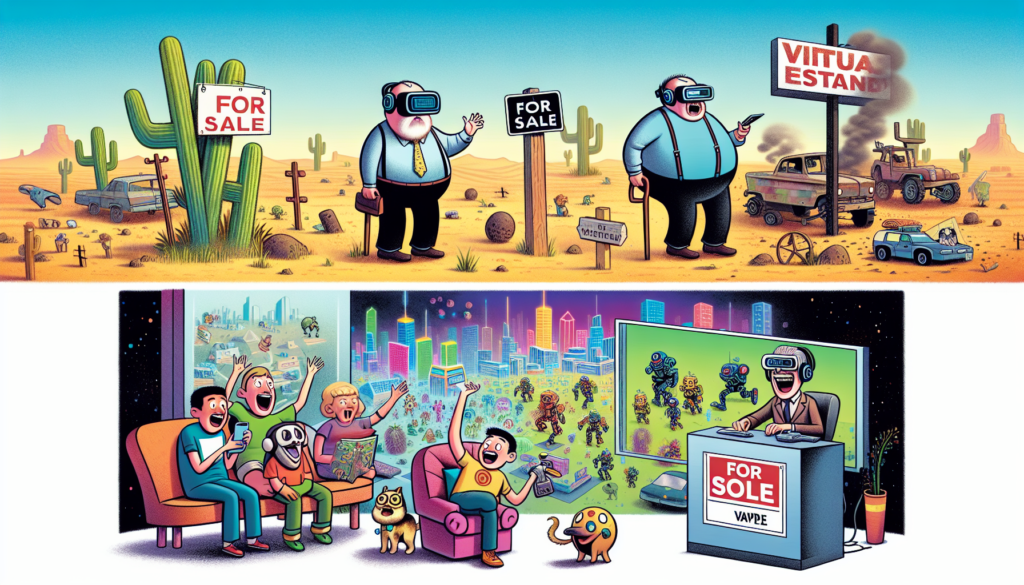
The Metaverse: Hype or Future?
In 2021, Mark Zuckerberg renamed Facebook to Metaand announced that the company's future lies in the metaverse. The crypto world's own metaverse projects – Decentraland, The Sandbox, Otherside – received billion-dollar valuations. In 2026, it's time to take stock: where does the metaverse dream stand?
What is the Metaverse?
The metaverse is a persistent, 3D virtual worldwhere people can work, play, trade, and socialize:
- Digital avatars represent users
- Virtual real estate, objects, and experiences
- Economic system with digital currencies and NFTs
- Interoperability between different platforms (the ideal)
Crypto Metaverse Projects
Decentraland (MANA)
- One of the first blockchain-based virtual worlds (public since 2020)
- Virtual plots (LAND) can be owned as NFTs
- Brands (Samsung, Adidas, JP Morgan) opened virtual venues
- Reality in 2026: Average 500-2,000 daily active users – this is very low
- LAND prices dropped 90%+ from their peak
The Sandbox (SAND)
- Voxel-based (Minecraft-like) virtual world
- Strong IP partnerships: Snoop Dogg, The Walking Dead, Adidas
- User-generated content focus – users can build content
- Reality: Alpha seasons attracted users, but sustained activity is low
Otherside (Yuga Labs)
- The metaverse project of the company behind Bored Ape Yacht Club
- Otherdeed NFTs generated $300+ million at mint
- Ambitious plan, but development is slow and community patience is running out
Why Hasn't the Metaverse Arrived?
1. Technological Limitations
- VR headsets aren't comfortable enough for long-term use yet
- Apple Vision Pro (2024) launched at a high price with limited success
- Graphics and user experience are far from traditional gaming quality
2. No "Killer App"
There's no application that would motivate people for mass, regular use :
- Virtual concerts and events are interesting – but one-time experiences
- Virtual offices (Meta Workrooms) couldn't replace Zoom
- Nobody prefers virtual shopping over traditional e-commerce
3. The Virtual Real Estate Bubble
- Decentraland and Sandbox plots cost millions at peak prices
- If there's no traffic (visitors), virtual real estate doesn't generate revenue
- The concept of "location" in the virtual world isn't the same as in the physical world
What Actually Works
Gaming Metaverses
A The game-centric approach is more successful:
- Fortnite, Roblox: Although not blockchain-based, they're functionally metaverses – operating with billions of users
- The lesson: the metaverse spreads through entertainment , not through technological vision
Social VR
- VRChat: Millions use it for fun and socializing – without blockchain
- The community experience is the main attraction, not the economic system
The Future of the Metaverse
The metaverse hasn't died – but the timeline has been pushed back:
- AR (augmented reality) may be more promising than VR – a digital layer projected onto the physical world
- A Spatial computing (Apple Vision Pro direction) offers a new approach
- The value of crypto-based metaverses will lie in interoperability and and digital property rights – but first the platforms need to be successful
In Conclusion
The metaverse hype of 2021 created excessive expectations. The technology, content, and user demand aren't ready for a full metaverse yet. But the elements – VR, AR, blockchain, AI – are gradually evolving and may one day come together.
The metaverse isn't a product to be released tomorrow – but a gradual evolution that takes decades. Those buying virtual land today as an "investment" are speculating on a very long timeline.
⚠️ Legal disclaimer: This article is for informational purposes only and does not constitute investment advice. All investment decisions are made at your own risk.


Comments
Share your view: questions, corrections, and counterpoints are welcome. Comments are for constructive, useful discussion.