 blog
blog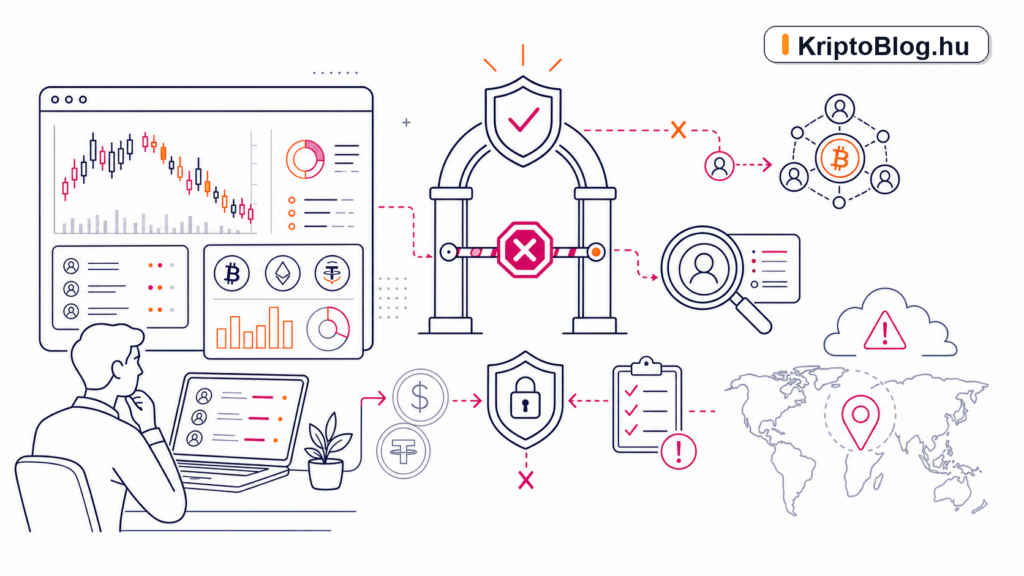
In short: the Nobitex sanctions are not only about one Iranian crypto exchange. They show that large local crypto platforms have become geopolitical infrastructure, where money, risk, compliance and state interests meet.
What Happened?
In June 2026, the U.S. Treasury/OFAC targeted Iran’s largest digital asset platform, Nobitex, along with other Iranian crypto exchanges and related individuals as part of the Economic Fury campaign. Treasury said the platforms and executives were connected to financial channels linked to sanctions evasion, prohibited flows and networks tied to the Iranian regime.
The key point is that the crypto exchange is no longer treated as a neutral app. It appears as a financial node that sanctions authorities monitor much like banks, currency exchangers or front companies.
Why The OFAC Angle Matters
An OFAC designation is not just U.S. paperwork. When a platform or person is listed, global exchanges, stablecoin issuers, custody firms, banks and analytics companies can all treat it as a risk signal. In practice, that can mean address blocking, customer offboarding, broken liquidity routes and terminated partner relationships.
Chainalysis notes that the designations affected not only Nobitex but several major Iranian crypto platforms. That suggests U.S. sanctions policy now treats digital assets as an active front of financial sanctions, not a side issue.
The User Side Matters Too
Some Iranian crypto usage is not necessarily geopolitical. Many users turn to digital assets because of inflation, currency restrictions, cross-border payment friction or local financial instability. Compliance teams still see the same channels carrying everyday savings, business payments and prohibited flows.
This is one of crypto’s hardest dilemmas. Blockchains are open, but entry and exit points are heavily regulated. If a large platform becomes a sanctions target, users do not necessarily disappear; they may move to less transparent routes.
What European Users And Firms Can Learn
- Jurisdiction risk: the exchange’s location, country exposure and partner network matter.
- Stablecoin risk: platform or address blocking can affect stablecoin flows too.
- Compliance is not optional: transaction monitoring and counterparty checks are baseline requirements for business use.
- Liquidity is fragile: a sanctions decision can quickly close routes that previously worked.
KriptoBlog Takeaway
The Nobitex case is a sober reminder: crypto is global, but not jurisdiction-free. Anyone moving value through digital assets must watch not only network fees, wallet security and price, but also the geopolitical and compliance map of the platform they use.
Not financial or legal advice. Sanctions and compliance questions require expert review.




Comments
Share your view: questions, corrections, and counterpoints are welcome. Comments are for constructive, useful discussion.