 blog
blog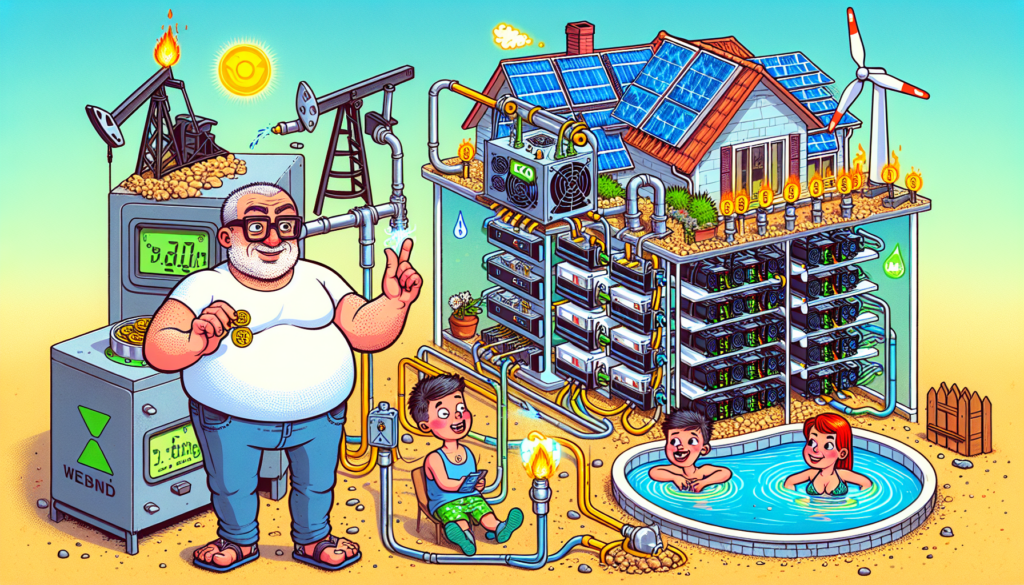
Cryptocurrencies and the energy market
The connection between cryptocurrencies and the energy market runs much deeper than the "Bitcoin consumes a lot" narrative. Mining has become an active participant in energy markets: stabilizing grids, monetizing surplus energy, and incentivizing renewable development
Bitcoin as a flexible energy consumer
Demand Response
Bitcoin mining's unique characteristic: it can be switched on and off at any time. This makes it an ideal flexible consumer:
- ERCOT (Texas): The Texas power grid operator actively cooperates with mining companies
- During peak consumption, miners shut downfreeing capacity for households
- In return demand response compensation they receive – sometimes more than they would earn from mining
- During the 2023 summer heatwave in Texas, miners freed 1,500 MWof capacity
Grid Balancing
Renewable energy sources (wind, solar) are by nature intermittent:
- When the wind blows or the sun shines, they produce too much energy
- When they don't, too little
- Bitcoin mining absorbs the surplus – a "buyer of last resort" on the energy market
- This improves the economics of renewable projects
Stranded Energy: monetized waste
Flare Gas mining
As a byproduct of oil and gas extraction, methane is produced, which is often burned (flared):
- Annually 150 billion cubic meters of gas is flared worldwide
- Bitcoin mining companies (Crusoe Energy, Giga Energy) convert this energy into useful work transform
- Instead of burning methane, they feed it into generators → mining machines run → Bitcoin
- Environmental benefit: controlled flaring releases less methane into the atmosphere
Remote Hydroelectric Plants
- In Africa and South America, hydroelectric plants generate energy, but there is no grid to transmit it
- Bitcoin mining enables the monetization of these "wasted" energy sources
- Ethiopia, Paraguay, Congo – all are building significant mining capacity on hydropower
Renewable Energy and Bitcoin: The Synergy
- Solar mining: Mining during daily energy peaks, feeding into the grid at night – improving ROI
- Wind energy: Surplus nighttime wind energy is used for Bitcoin mining
- Bitcoin mining as a "buyer of last resort": Provides guaranteed demand for renewable projects, making their financing easier
Heat Recovery
The heat generated by mining machines doesn't go to waste:
- Building heating: MintGreen (Vancouver) – mining machine heat goes into the district heating network
- Greenhouses: Dutch and Canadian projects heat their greenhouses with mining heat
- Swimming pools: Several European swimming pools use mining heat to warm the water
- Drying facilities: Drying agricultural products with mining heat
Energy Tokenization
Blockchain is also shaping the energy market:
- Carbon credit tokenization: KlimaDAO, Toucan Protocol – trading CO2 credits on the blockchain
- P2P energy trading: Direct energy sales between households through smart contracts
- Renewable Energy Certificates (REC): Tokenized green energy certifications
In Conclusion
The relationship between Bitcoin and the energy market is much more complex and positivethan mainstream media portrays. Mining doesn't "steal" energy – rather, it becomes an active, useful participant in the energy market .
Bitcoin mining is the world's only industry that is economically incentivized to seek the cheapest, often renewable or wasted energy sources. This is not a problem – this is a solution.
⚠️ Legal disclaimer: This article is for informational purposes only and does not constitute investment advice. All investment decisions are made at your own risk.







Comments
Share your view: questions, corrections, and counterpoints are welcome. Comments are for constructive, useful discussion.