 blog
blog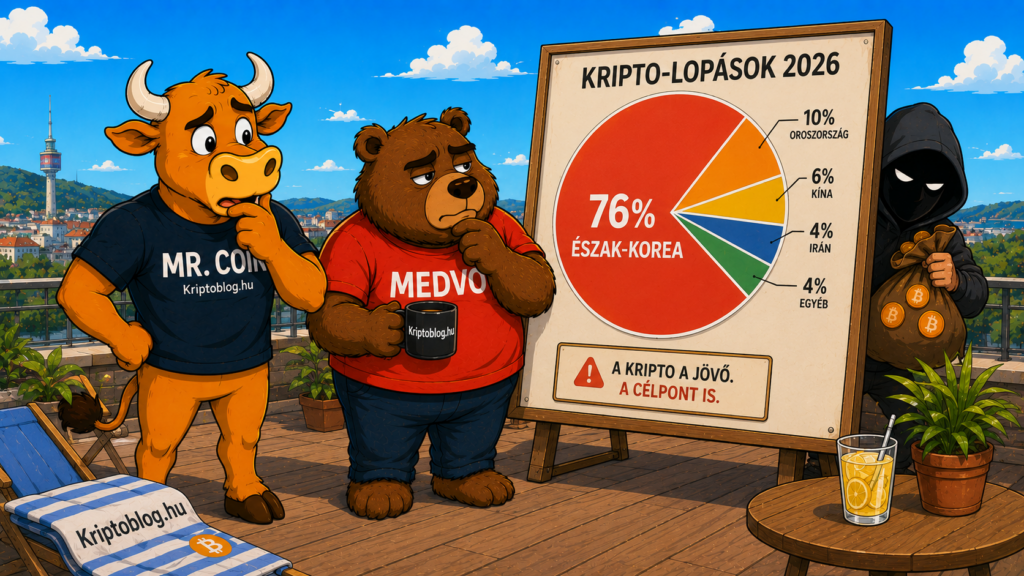
Amikor a kriptovaluta-piacot nem egyetlen profitközpontú bűnöző, hanem egy egész állam gépezete célozza meg, a védekezés szintje teljesen megváltozik. A 2026-os statisztikák félelmetes képet festenek: az Észak-Koreához köthető hackercsoportok dominanciája elérte a tetőpontot, hiszen a globális kripto-lopások brutális 76%-áért felelősek. Ez nem csupán egy kiberbűnözési hullám, hanem egy állami szintű gazdasági hadjárat, amely több mint félmilliárd dolláros veszteséget okozott a befektetőknek.
The Rise of State-Sponsored Hackers: Behind the 76% Dominance
According to the latest report from TRM Labs, the landscape of illegal asset movements within the cryptocurrency sector has shifted drastically. The report highlights that North Korea-linked hackers are responsible for 76% of crypto thefts in 2026, amounting to approximately $577 million. This figure represents more than just a statistical increase; it is a paradigm shift in the world of cybercrime.
Unlike traditional criminals seeking quick profits, these groups are part of a highly organized, state-sponsored apparatus aimed at sustaining the regime and bypassing international sanctions. As IBM security analyses emphasize, modern threats evolve in tandem with technological progress, and state actors possess the vast resources necessary to coordinate high-level, sophisticated attacks.
In a market context, this is particularly severe. According to CoinGecko data, the total crypto market capitalization currently stands at $2.63 trillion, with Bitcoin (BTC) priced at $76,310 and a market dominance of 58.1%. Despite the massive scale of the market, TRM Labs data shows that hackers managed to siphon off nearly $600 million in a single year, raising a critical question: how prepared are protocol security layers to face coordinated state-level attacks rather than individual bad actors?
Target Analysis: Why KelpDAO and Drift Protocol Were Vulnerable
A defining element of the 2026 attack series was the strategic selection of targets. The TRM Labs report highlights that hackers primarily targeted the KelpDAO and Drift Protocol platforms. As these protocols are integral components of the DeFi (Decentralized Finance) ecosystem, a successful breach results in not only direct financial loss but also a systemic crisis of trust.
Why these specific protocols? The answer lies in technical complexity and architectural vulnerabilities. While IBM defines web security as the set of solutions and principles protecting networks and devices from unauthorized access, in the DeFi world, "unauthorized access" rarely means a simple password breach. Instead, it often involves exploiting sophisticated transaction logic or smart contract vulnerabilities.
In the cases of KelpDAO and Drift Protocol, it is highly probable that state-sponsored hackers employed complex, multi-stage attack vectors that exploited the protocols' internal logic and liquidity processes. While an average hacker might search for a single smart contract flaw, North Korean groups are capable of exploiting cross-protocol vulnerabilities—interactions between different protocols—which are significantly harder to detect during traditional security audits.
Economic Impact: The $577 Million Loss and Market Stability
The $577 million loss is more than just a figure on a spreadsheet. This amount directly reduces available investor capital and drastically increases the risk premium within the DeFi sector. Regarding market stability, the central question is how the necessity of security audits will evolve following these events.
CoinGecko data shows Bitcoin dominance at 58.1%, indicating that a portion of the market still keeps capital in safer, high-cap assets. However, DeFi protocols like KelpDAO carry significantly higher risks. The success of these hackers suggests that current regulatory environments and audit protocols are not sufficiently agile to defend against state actors.
This massive loss is likely to accelerate regulatory pressure. It is expected that regulators—such as the US SEC or the EU's MiCA framework—will mandate that protocols audit not just code cleanliness, but also their resilience against state-level cyber threats. The evolution of cybersecurity must move beyond protecting code to analyzing economic stability and transaction patterns.
Key Takeaways for Investors
Mit kell tudnia a befektetőknek és a protokoll-fejlesztőknek?
Based on our analysis, two primary conclusions can be drawn:
- A kockázati profil megváltozott: A DeFi-ben való befektetés ma már nem csak a technikai hibák (bug) kockázatát hordozza magában, hanem a geopolitikai kockázatot is. Ha egy protokoll nem rendelkezik state-level defense (állami szintű védelem) mechanizmusokkal, az befektetőnek a 577 millió dolláros veszteség statisztikai valósággá válhat.
- Auditok reformja szükséges: A hagyományos smart contract auditok (amelyek gyakran csak a kód statikus elemzésére fókuszálnak) képtelenek felmérni az állami hackerek dinamikus és koordinált támadásait. A protokolloknak szükségük van stress-test típusú, szimulált állami támadási forgatókönyvekre is.
Tanács az olvasónak: Ha DeFi protokollba helyezed a tőkédet, ne csak a yield-et (hozamot) nézd! Keresd a protokoll transzparenciáját, az auditok típusát (legyenek benne dinamikus tesztelés is), és ellenőrizd, hogy rendelkeznek-e olyan mechanizmusokkal, amelyek képesek azonnali, automatikus circuit breaker (védősáv) működésre egy gyanús, nagy összegű tranzakció esetén.
Our own approach: we don't buy on the news, we buy on our theses. If someone believes that mobile crypto adoption is a long-term story that eventually plays out, then today's quiet price isn't alarming — it's more like opportunity. If someone doesn't believe it, no single feature announcement will convince them. Everyone decides this for themselves, at their own risk — our job is to ask the right questions precisely. Our own results have been mixed and probably will continue to be; we don't promise certain answers, only honest thinking.
In the future, successful protocols will not be those promising the highest yields, but those capable of protecting their users during state-level cyber warfare. Alongside the growth of market capitalization ($2.63 trillion), the development of security infrastructure will be the most critical theme of the coming year. The crypto market is not going to collapse, but a reinterpretation of security layers is inevitable.
***
Sources
- TRM Labs: North Korea-linked hackers drive 76% of 2026 crypto thefts (2026. 05. 01.)
- CoinGecko: Bitcoin and Crypto Market Data (2026. 05. 01.)
- IBM: What is web security? (2024. online)
- IBM: What Is Cybersecurity? (2024. online)







Comments
Share your view: questions, corrections, and counterpoints are welcome. Comments are for constructive, useful discussion.