 blog
blog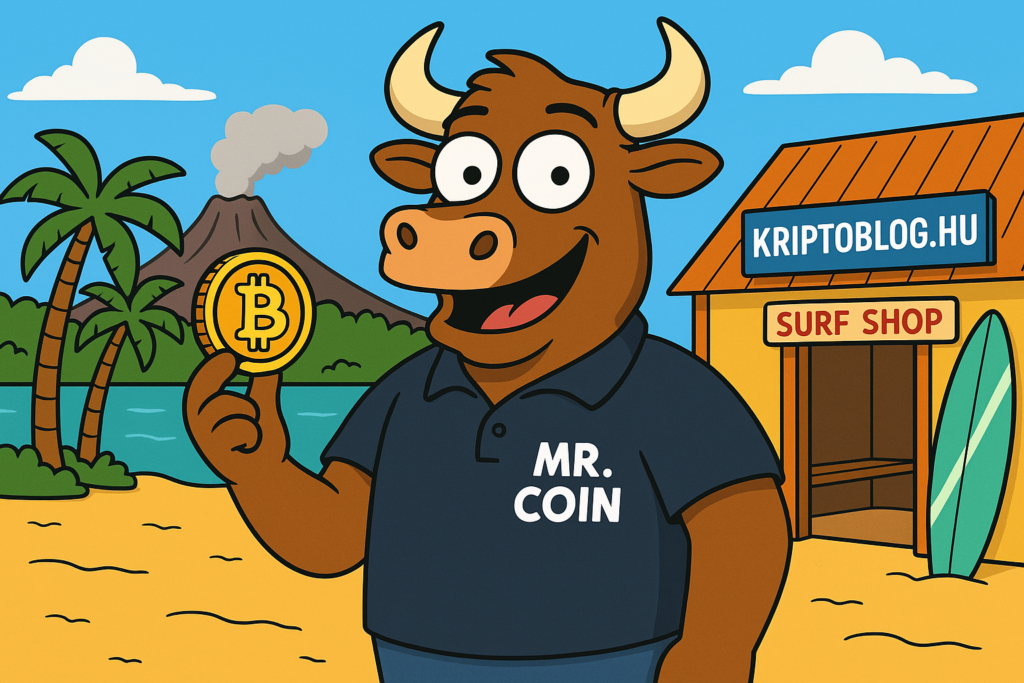
A country that adopted Bitcoin as legal tender
On September 7, 2021 El Salvador made history by recognizing Bitcoin as legal tender. President Nayib Bukele's bold move has divided world opinion ever since. Now, more than four years later, it's worth reflecting on how the experiment turned out and what effects it had both for El Salvador and the global cryptocurrency community.
The beginning: the Chivo Wallet and the Bitcoin Law
The main elements of the ambitious plan were:
- Bitcoin Law: Every business was required to accept Bitcoin, provided the technology was available. This meant a huge change in the local economy, as Bitcoin, as a decentralized digital currency, opened new possibilities for commerce.
- Chivo Wallet: The state-developed mobile wallet enabled the population to easily send and receive Bitcoin. The app's goal was to extend access to banking services to the previously unbanked population.
- $30 gift: Every registered citizen received $30 worth of Bitcoin to incentivize the use of digital currency.
- Bitcoin ATMs: Installation of more than 200 Bitcoin ATMs nationwide to facilitate converting Bitcoin to cash and vice versa.
- Volcano mining: A plan for Bitcoin mining powered by geothermal energy, utilizing volcano energy in a sustainable way.
The successes
Financial Inclusion
Previously, 70% of El Salvador's population had no bank account. The introduction of the Chivo Wallet gave millions the opportunity to access digital payment methods. This was particularly significant for remittances, which account for approximately 24% of the country's GDP. Thanks to the Lightning Network these transfers became much cheaper and faster, providing significant relief for emigrants.
Tourism boom
El Salvador became known as "Bitcoin Beach" (El Zonte), which became a popular destination for crypto tourists and digital nomads. The Bitcoin identity attracted tech conferences and investors, creating new opportunities for the country's tourism sector.
The State Bitcoin Portfolio
President Bukele regularly purchased Bitcoin for the state treasury. Although prices dropped significantly during the 2022 bear market, this reversed by 2024-2025, and the portfolio turned into significant profits. Bukele's "told you so" tweets became legendary in the crypto community, as he predicted the price increases.
The Problems
Low Bitcoin Usage
The reality is that the majority of the population still uses dollars for everyday transactions. Surveys show that many downloaded the Chivo Wallet, but active usage quickly declined. Most merchants immediately convert received Bitcoin to dollars, showing that the new system didn't live up to expectations. The country's technological infrastructure, particularly internet coverage and smartphone penetration, was not developed enough to support widespread Bitcoin usage.
IMF Pressure
A International Monetary Fund expressed concerns multiple times about El Salvador's Bitcoin policy and urged the revocation of Bitcoin's legal tender status during lending negotiations. In 2024, a compromise was reached: Bitcoin remained as legal tender, but tax payments and public services continue in dollars.
Transparency
The lack of transparency surrounding state Bitcoin purchases and Chivo Wallet operations became a major target of criticism. It was not always clear when, how much, and at what price the state purchased Bitcoin, which many said reflected risky financial policy.
The "Bitcoin Bond" and Volcano Mining
The planned Volcano Bond (Bitcoin bond) was finally realized in 2024. Although on a smaller scale and with modified terms than originally planned, it showed that El Salvador was capable of creating innovative financial instruments. The Bitcoin City project – a tax-free city powered by volcanic energy – remains more of a vision than reality, but its vision offers an exciting future picture.
A geothermal mining however, is operational, albeit in small volume, but with symbolic significance. Using the energy from the country's volcanoes to mine Bitcoin, it can be considered one of the greenest mining operations in the world.
Why Does This Matter?
El Salvador's Bitcoin project can offer numerous important lessons for other countries considering cryptocurrency integration. One of the most important lessons is that technological developments alone are not sufficient: infrastructure development, education, and public engagement are crucial. The project also highlighted that cryptocurrency volatility poses a real problem, especially in a developing country's economy.
Practical Advice for Other Countries
Countries considering cryptocurrency adoption should consider a gradual approach. Swiss cantons and Portugal, for example, chose a more cautious, gradual approach that allows testing the technology on a smaller scale before applying it more broadly. It's also worth emphasizing transparency and properly informing the public to avoid problems similar to those in El Salvador.
How does this affect you?
An interesting question is what impact El Salvador's Bitcoin experiment could have on you. If you believe that cryptocurrencies could form the foundation of future financial systems, then El Salvador's example could be inspiring. The experiment may encourage you to understand cryptocurrency operations more deeply and consider diversifying your own portfolio. However, it's important to note that all investments carry risks, and cryptocurrencies can be particularly volatile.
And if you're thinking about living as a digital nomad one day, El Salvador and "Bitcoin Beach" offer the opportunity to live in a community that has already integrated cryptocurrencies into everyday life. However, it's always worth thoroughly researching and weighing the risks before making such a decision.
In Conclusion
El Salvador's Bitcoin experiment is neither a clear success nor failure. It didn't become the revolutionary success President Bukele promised, but it can't be called a catastrophic failure either. Rather, it's a bold, instructive experiment that demonstrated both the possibilities and limitations of state-level cryptocurrency adoption. Even if El Salvador had done nothing else, by being the first to take this step, it has forever written itself into Bitcoin history.
⚠️ Legal disclaimer: This article is for informational purposes only and does not constitute investment advice. All investment decisions are made at your own risk.
Sources:



Comments
Share your view: questions, corrections, and counterpoints are welcome. Comments are for constructive, useful discussion.