 blog

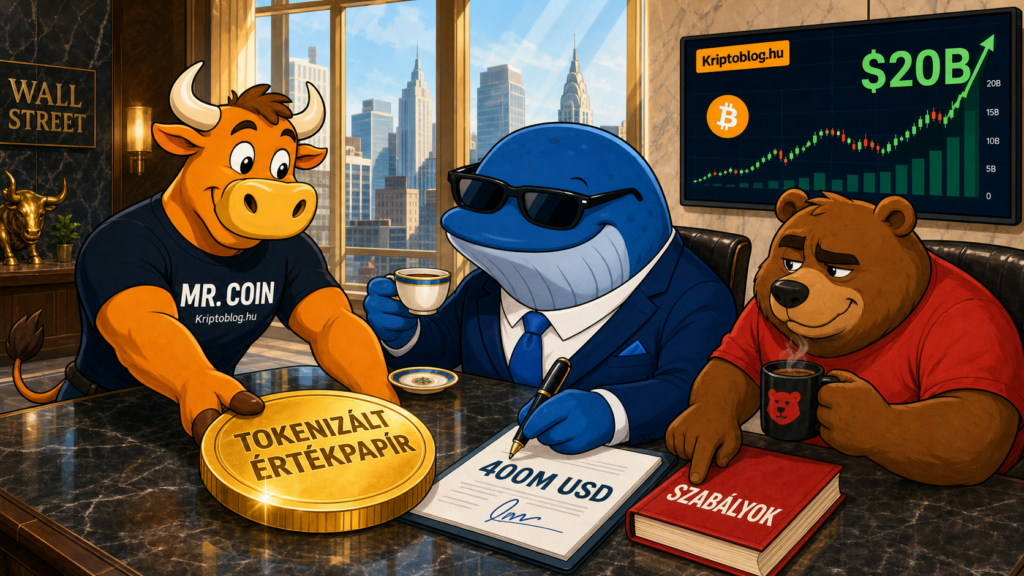
A Real World Assets (RWA) tokenizáció nem csupán egy technológiai bővítés a decentralizált pénzügyek (DeFi) világában; ez a folyamat jelenti a trillió dolláros hagyományos tőke és a kriptovaluta piac végleges, és talán visszafordíthatatlan összeolvadását. Amíg a korábbi kripto-hullámok a digitális eszközök körüli spekulációra épültek, az RWA egy új dimenziót nyit meg, ahol az ingatlanok, az állampapírok és a fel beenkészített áruk digitális jogosultságokat kapnak a blokkláncon. Ez a váltás képes lehet arra, hogy a jelenlegi, korlátozott piaci kapitalizációt egy teljesen új, globális likviditási szint fölé emelje.
The cryptocurrency market is constantly evolving, and the latest trend that has gained significant momentum is **Real World Asset (RWA) tokenization**. Many already see it as the next big wave in the DeFi world. But what exactly is it, and why is it attracting attention? This article delves into the topic, exploring the mechanisms, market situation, risks, and future prospects to help you navigate this exciting new area. Those who recognized the opportunities early are already at an advantage.
What is Real World Asset (RWA) Tokenization?
**Real World Asset (RWA) tokenization** is the creation of digital representations of real, physical assets with intrinsic value using blockchain technology. This can include real estate, artwork, gold, bonds, loans, or even agricultural products. The key is to convert these assets into **tokens** that can be digitally owned, transferred, and traded.
According to Kriptotarca.hu, RWA tokenization can revolutionize finance by enabling the decentralized and transparent management of traditional assets. Coincash.eu highlights that blockchain technology creates a transparent and secure environment for the digitization of assets. Tokenization doesn't just mean digitizing ownership, but also increasing liquidity, reducing transaction costs, and expanding investment opportunities.
How does it work?
Ahhoz, hogy megértsük az RWA jelentőségét, látnunk kell a jelenlegi piaci távolságokat. A CoinGecko legfrissebb adatai szerint a teljes kriptovaluta piaci kapitalizáció jelenleg körülbelül 2,6 billió dollár. Ez egy monumentális összeg, de a hagyományos tőke piacokhoz (például a globális ingatlanpiac vagy a tőzsdei részvénypiacok) képest csak egy kisméretű szigetet jelent.
A piac dominanciáját jelenleg a Bitcoin (BTC) határozza meg. A CoinGecko adatai alapján a Bitcoin piaci értéke körülbelül 1,3 billió dollár, ami azt jelenti, hogy a Bitcoin dominanciája a piacon körülbelül 50%. Ez a magas dominancia mutatja, hogy a befektetők jelenleg a biztonságosabb, digitális aranyként funkcionáló eszközre támaszkodnak. Az Ethereum (ETH) piaci értéke pedig körülbelül 300 milliárd dollár, ami kulcsfontosságú, hiszen az Ethereum az a technológiai platform, amely a legtöbb RWA projekt alapját képezi a smart contract (okosszerződés) funkciók miatt.
The consensus mechanism depends on the blockchain used. For Ethereum, it's Proof-of-Stake (PoS), while other blockchains may use different mechanisms. The price of the tokens is linked to the value of the underlying asset and can vary depending on market supply and demand.
Why is it unique/interesting?
RWA tokenization is unique and interesting for several reasons:
* **Liquidity:** Tokenized assets are easier to trade than traditional assets, increasing liquidity. * **Transparency:** Blockchain technology ensures the transparency and traceability of transactions. * **Accessibility:** Tokenized assets can be accessible to a wider range of investors, including smaller investors. * **Efficiency:** Transaction costs are reduced, and processes become faster and more efficient.
This technology is not just a technological innovation, but can also bring about a fundamental transformation of the structure of financial markets, as vg.hu puts it.
Current Market Situation
The growth rate in the RWA tokenization market is accelerating. An increasing number of institutional investors and DeFi platforms are interested in it. The popularity of tokenized real estate, artwork, and bonds is growing. However, the market is still in its early stages and faces numerous challenges.
Numerous projects are working in the area, such as Maple Finance, Ondo Finance, and Centrifuge, which specialize in credit and securities tokenization. The growing partnerships with traditional financial institutions (e.g., banks, asset managers) are also a positive sign.
Use Cases
Key Takeaways for Investors
* **Real Estate Tokenization:** Allows investors to own smaller portions of real estate, increasing liquidity and accessibility. * **Artwork Tokenization:** Tokenizing ownership of artwork allows investors to purchase shares in valuable works of art. * **Bond Tokenization:** Tokenizing bonds reduces transaction costs and increases liquidity. * **Loan Tokenization:** Tokenizing loans allows investors to participate in the interest income from loans. * **Agricultural Product Tokenization:** Tokenizing crops can help farmers with financing and product sales.
Mit tegyen az olvasó? Mire figyeljen?
- Ne csak a tiszta kriptonál élőjen: Figyelje azokat a projekteket, amelyek valódi eszközöket (RWA) hoznak a blokkláncra, de nézze meg alaposan a jogi hátterüket. Egy projekt csak annyira erős, amennyire a tokenizált eszköz jogilag biztosított.
- Figyelje az Ethereum és a Bitcoin kapcsolatát: Mivel a Bitcoin dominanciája magas, a piac nagy része még a tiszta kripto-tőkére támaszkodik. Az RWA hullám azonban az Ethereum-alapú DeFi protokollokat fogja leginkább mozgósítani.
- Vigyázzon a likviditási csapdákra: Az RWA eszközök lehethetnek kevésbé likvidek, mint a Bitcoin, mivel a jogi folyamatok lassabbak. Ne feledje, hogy a tokenizált ingatlan nem olyan gyorsan eladható, mint egy BTC, még ha a blokkláncon is van.
Our own approach: we don't buy on the news, we buy on our theses. If someone believes that mobile crypto adoption is a long-term story that eventually plays out, then today's quiet price isn't alarming — it's more like opportunity. If someone doesn't believe it, no single feature announcement will convince them. Everyone decides this for themselves, at their own risk — our job is to ask the right questions precisely. Our own results have been mixed and probably will continue to be; we don't promise certain answers, only honest thinking.
* **Regulatory Uncertainty:** The regulatory environment is not yet fully developed, which can pose a risk to investors. * **Liquidity Risk:** Some tokens may have low liquidity, making it difficult to sell quickly. * **Smart Contract Risk:** Faulty smart contracts may be vulnerable to hacking. * **Legal Risk:** Ensuring the ownership of tokens can present legal challenges.
**Those who don't pay attention to this may suffer significant disadvantages.** Always do your own research (DYOR) before investing in any RWA token.


Comments
Share your view: questions, corrections, and counterpoints are welcome. Comments are for constructive, useful discussion.