 blog
blog
MiCA Regulation 2026: Where Does EU Crypto Regulation Stand in Practice?
A MiCA szabályozás 2026-ban már nem csupán egy papíron létező keretrendszer – hanem élő, működő valóság, ami nap mint nap befolyásolja, hogyan kereskedünk, hol tartjuk a kriptóinkat, és mit kell majd bevallanunk az adóhatóságnak. De vajon minden úgy alakul, ahogy azt a lelkes optimisták elképzelték?
MiCA in Brief: What Are We Talking About?
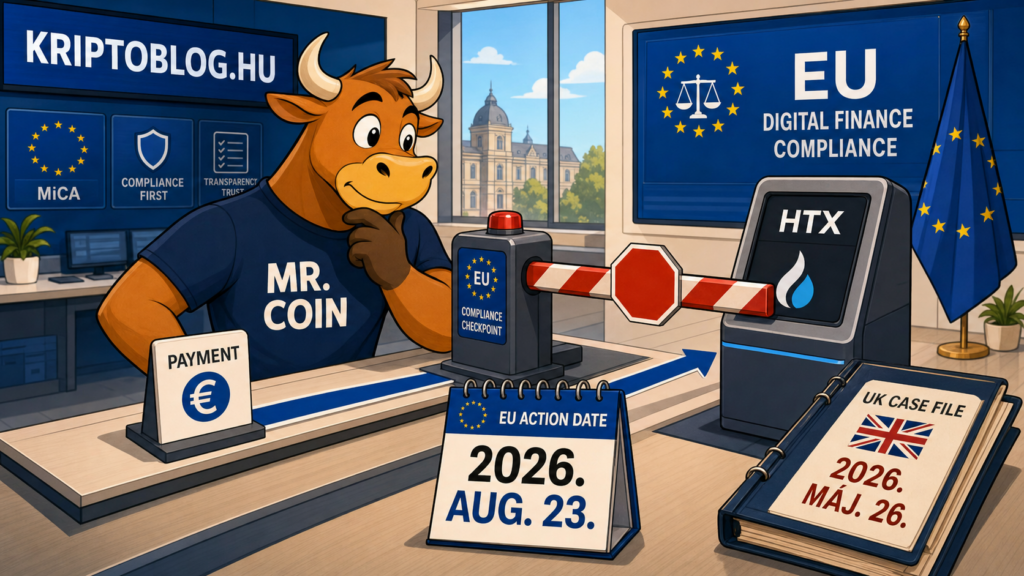
The Markets in Crypto-Assets Regulation — MiCA for short — is the European Union's unified crypto regulatory framework, which came into full effect in late 2024. The goal is noble: harmonized rules across all EU member states, investor protection, and eliminating the Wild West conditions in the crypto market.
By 2026, we've reached the point where regulation is no longer theory — exchanges actually have to comply with it.
Bybit Obtains MiCA License — in Austria
One of the most important developments in 2026: Bybit, one of the world's largest crypto exchanges, obtained its MiCA license in Austria. This wasn't a random choice — Austria is one of the most crypto-friendly EU member states, and this gave Bybit access to the entire European market.
The CASP (Crypto-Asset Service Provider) licensing process isn't simple: it requires anti-money laundering protocols, capital adequacy requirements, and consumer protection guarantees. But whoever obtains it can operate in any EU member state.
Other big names haven't been left behind: Bitpanda also in Austria, Kraken in Ireland, Robinhood in Lithuania obtained licenses. eToro operates from Cyprus, Coinmotion from Finland.
Optimism bias: a szabályozás csak jó lehet… ugye?
Itt érdemes felismernünk az optimism bias-t a saját gondolkodásunkban. Amikor a MiCA-ról hallunk, hajlamosak vagyunk csak a pozitív oldalát látni: végre rend lesz, a csalók kiszorulnak, a befektetők védve lesznek.
But the reality is more nuanced:
- Kisebb tőzsdék kiszorulnak: A compliance költségek olyan magasak, hogy sok kisebb platform nem tudja megfizetni. Ez kevesebb versenyt és potenciálisan magasabb díjakat jelent
- Innováció lassulhat: A szabályozási bizonytalanság miatt egyes projektek inkább az EU-n kívülre költöznek
- DeFi szürke zóna: A MiCA elsősorban centralizált szolgáltatókra vonatkozik – a decentralizált pénzügyek szabályozása még mindig homályos
Tax Reporting from 2027: The Prelude to Loss Aversion
One of the less entertaining aspects of MiCA regulation 2026 is the tax reporting obligation, which becomes mandatory from 2027 under the DAC8 directive. This means crypto service providers must automatically report client transactions to tax authorities.
És itt lép be a loss aversion: a legtöbb kriptóbefektető nem azért fél az adóbevallástól, mert nem akar adót fizetni (bár van ilyen is), hanem mert fél a bürokráciától, az ismeretlentől, és attól, hogy esetleg hibázik. A veszteség – legyen az pénzügyi vagy adminisztratív – kétszer annyira fáj, mint amennyire egy nyereség örömet okoz.
In practical terms, this means:
- In 2026, service providers are preparing for the reporting system
- From 2027, tax authorities will automatically receive the data
- Ha eddig „elfelejtettél” bevallani kriptónyereséget – most van az utolsó lehetőség rendezni
Hungarian Perspective: Where Do We Stand?
Hungary isn't at the forefront of MiCA implementation, but it's not fatally behind either. The Magyar Nemzeti Bank (MNB) acts as the supervisory authority, and the CASP licensing process is available domestically as well.
What directly affects Hungarian crypto investors:
- PIT (Personal Income Tax): A kriptovalutából származó jövedelem továbbra is 15% SZJA + 13% SZOCHO köteles (összesen 28%)
- Bevallás: Évente, a személyi jövedelemadó bevallásban – a NAV egyelőre nem kap automatikus adatot, de ez 2027-től változik
- EU-s tőzsdék: Ha MiCA-engedélyes tőzsdén kereskedsz, az adataid már a rendszerben vannak
- DeFi: Egyelőre szürke zóna, de a NAV egyre aktívabb
The Big Question: Is It All Worth It?
MiCA regulation in 2026 clearly creates a more mature, professional crypto market in Europe. For institutional investors, this is a green light — the existence of a regulatory framework is a prerequisite for large capital inflows.
But for individual investors, the picture is more mixed. More administration, less anonymity, and compliance costs always trickle down to the end user in some form.
Az igazság valahol középen van: a MiCA szabályozás 2026 nem a kripto halála, de nem is a megváltása. Egy szükséges lépés a mainstream elfogadás felé – de ne legyünk naivak a mellékhatásaival kapcsolatban.
The best thing you can do: stay informed, prepare for tax reporting in time, and don't let either excessive optimism or panic drive your decisions.





Comments
Share your view: questions, corrections, and counterpoints are welcome. Comments are for constructive, useful discussion.