 blog
blog
The maturity of the cryptocurrency market
The cryptocurrency market in 2026 is fundamentally differentfrom 5 years ago. Institutional investors, regulatory frameworks, and technological development have created a more mature, stable
Signs of maturity
1. Institutional presence
- Spot ETFs: Bitcoin and Ethereum ETFs with billions in volume in the USA, Europe, and Asia
- Asset managers: BlackRock, Fidelity, Vanguard – the world's largest fund managers offer crypto products
- Banks: Custody, trading, tokenization – traditional banks are integrating crypto
- Pension funds: In small proportions, but Bitcoin allocations have appeared
2. Regulatory frameworks
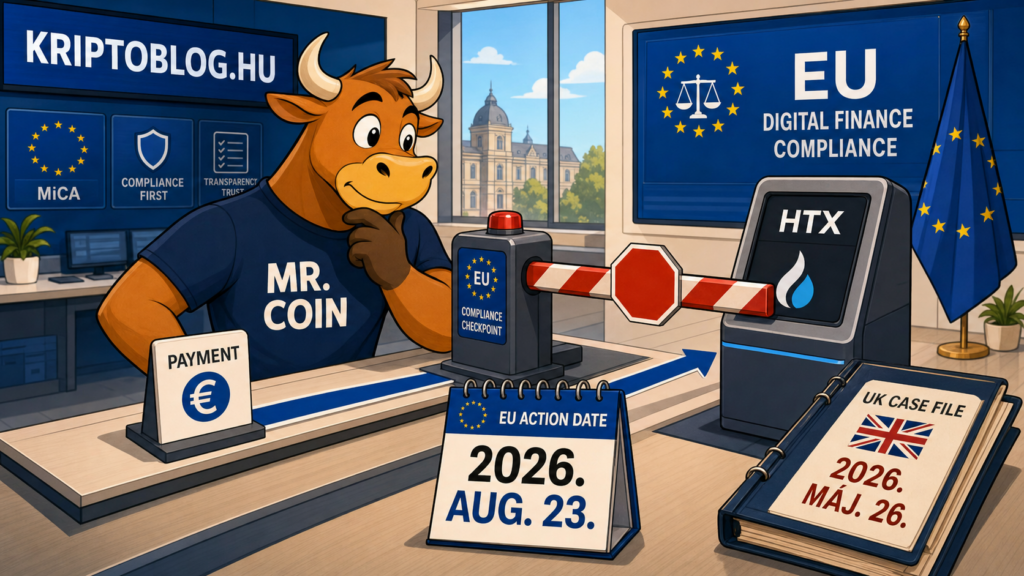
- MiCA (EU): Comprehensive regulation across 27 member states
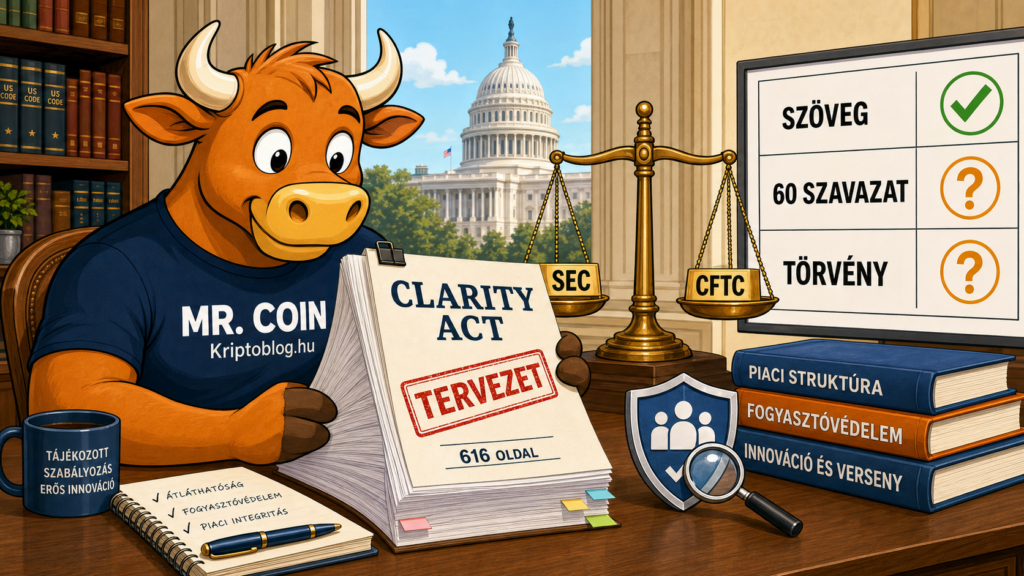
- USA: Although fragmented, the ETF approval and Ripple precedent show direction
- Global: Most developed countries have some kind of crypto regulatory framework
3. Infrastructure development
- Layer 2: Arbitrum, Optimism, Base – cheap, fast transactions
- Wallet UX: Account abstraction, social login – usage is becoming simpler
- Stablecoins: $200+ billion market – crypto's "financial bloodstream"
- Oracle networks: Chainlink and others provide reliable off-chain data
What We Learned from Previous Cycles
2013-2014
- Mt. Gox: The risk of centralized exchanges
- Lesson: The importance of self-custody
2017-2018
- ICO bubble: 90%+ projects disappeared
- Lesson: Due diligence, not everything that glitters is gold
2020-2022
- DeFi Summer → Terra/Luna → FTX: The risk of unsecured lending and centralized counterparty
- Lesson: If it's too good to be true, it probably isn't true
2024-2026
- ETFs, MiCA, institutional adoption
- Lesson (so far): Crypto going mainstream doesn't eliminate the risks
The 2026 Investor's Toolkit
Access
- Regulated exchanges: Coinbase, Kraken, Bitstamp – MiCA-compliant
- ETFs: Through brokerage accounts, like any stock
- DeFi: Decentralized exchanges, lending, staking – direct access
- Neobanks: Revolut, N26 – simple crypto purchasing
Analysis Tools
- On-chain analysis: Glassnode, CryptoQuant, Dune Analytics
- Fundamental: Token Terminal, DefiLlama – protocol-level data
- Technical: TradingView – charting and indicators
- News: CoinDesk, The Block, Bankless – industry intelligence
Portfolio Strategies
- Conservative: 70% BTC, 20% ETH, 10% stablecoin staking – low risk
- Balanced: 40% BTC, 20% ETH, 20% top altcoins, 10% DeFi, 10% stablecoin
- Aggressive: 20% BTC, 20% ETH, 40% altcoins, 20% speculative – high risk
Questions for the Future
- Mass adoption: When will it reach 1 billion regular crypto users?
- Interoperability: Will there be a single ecosystem, or many parallel chains?
- AI + Crypto: How will artificial intelligence shape the market?
- CBDC vs. stablecoin vs. Bitcoin: Which wins the digital money race?
- Quantum resistance: Will the network prepare in time?
In Conclusion
The cryptocurrency market in 2026 is more mature, secure, and accessiblethan ever – but not risk-free. Institutional capital has legitimized the asset class, regulation has provided a framework, and technology is evolving. But the market remains cyclical, volatile, and full of surprises.
Cryptocurrencies don't promise easy money – they never did. What they promise is a more open, transparent, and accessible financial system. Whether we get there depends on us – the community, the developers, and the regulators.
Thank you for joining us on this journey. At KriptoBlog.hu, we continue to follow all important developments – stay with us!
⚠️ Legal disclaimer: This article is for informational purposes only and does not constitute investment advice. All investment decisions are made at your own risk.





Comments
Share your view: questions, corrections, and counterpoints are welcome. Comments are for constructive, useful discussion.