 blog
blog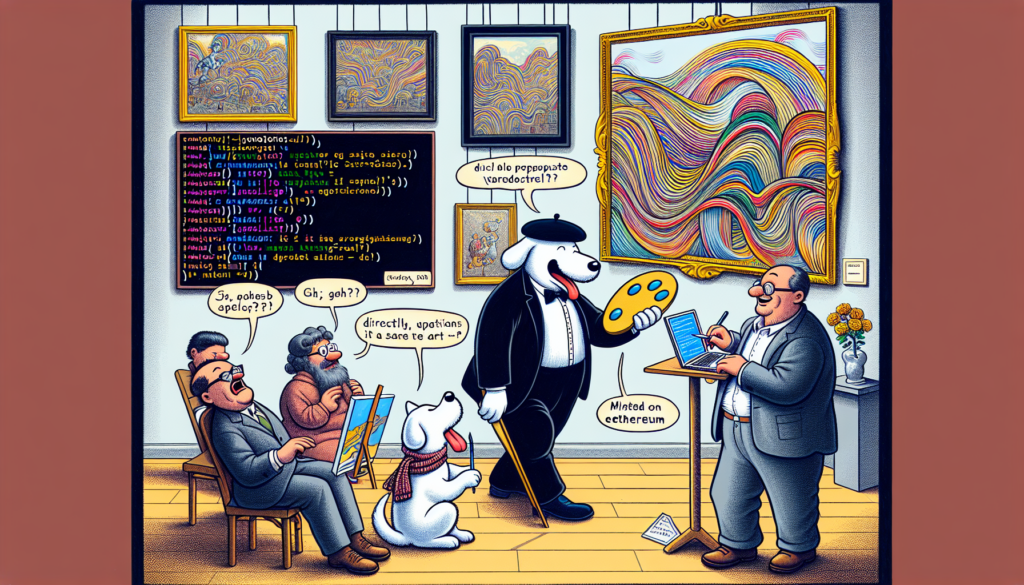
Generative Art on the Blockchain
A generative art – where algorithms create unique artworks – combined with blockchain technology has launched a new art movement. The Art Blocks, fxhash and other platforms have created a billion-dollar market where the code itself is the artist.
What is Generative Art?
Generative art is artwork that is created by an algorithm:
- The artist doesn't paint a specific image, but rather writes a set of rules (code) ír
- The algorithm running with random parameters produces a unique result each time
- The artist controls the framework, but the final result is a surprise – even to them
- History: Harold Cohen's AARON program (1973), Casey Reas' Processing language (2001)
Art Blocks: the revolution
A Art Blocks platform (2020) revolutionized the generative art market:
How Does it Work?
- The artist uploads the algorithm (JavaScript code) to the Ethereum blockchain
- The collector "mints" a piece – the transaction hash serves as a random seed
- During the execution of the algorithm a unique artwork is created
- Both the image and the code remain on the blockchain forever stay
Iconic collections
- Fidenza (Tyler Hobbs): 999 pieces, floor price 90+ ETH – Art Blocks' flagship
- Ringers (Dmitri Cherniak): Pegs and strings – minimally elegant
- Chromie Squiggle: Art Blocks' original, symbolic collection
- Memories of Qilin (Emily Xie): Generative reinterpretation of traditional Chinese art
fxhash: the democratic alternative
A fxhash platform operates on the Tezos blockchain:
- Lower entry threshold for artists and collectors
- Cheaper than Ethereum (low gas fees)
- More open – anyone can publish an algorithm
- Active, vibrant artist community
Why is blockchain special for generative art?
- Provenance: The artwork's origin and ownership chain is cryptographically provable
- Immutability: The code and the result exist forever, unchangeably
- On-chain randomness: The blockchain transaction hash ensures true randomness
- Programmable royalties: The artist can earn from every secondary sale
- Global market: Anyone, anywhere can buy and sell
Generative art and AI
In 2024-2025, AI image generation (Midjourney, DALL-E, Stable Diffusion) raised questions:
- Difference: Generative art writes code, AI receives prompts – the level of artistic control differs
- Debate: Is AI-generated art "real" art? Generative artists generally keep their distance from AI
- Convergence: Some artists combine the two – coded algorithms with AI elements
The market in 2026
- Generative art proved more resilientthan PFP (profile picture) NFTs
- Top collections (Fidenza, Ringers) maintained relatively stable value even in the bear market
- A collector motivation differs: here aesthetics and algorithm elegance matter, not the "pump"
- Museums (MoMA, Centre Pompidou) began adding generative NFTs to their collections
In Conclusion
Generative art is blockchain and creativity's most elegant intersection. It's not about hype and speculation, but about technology enabling new art forms.
Code is the 21st century's paintbrush. Blockchain is the 21st century's gallery. And generative art proves that the crypto world isn't just about money – but
⚠️ Legal disclaimer: This article is for informational purposes only and does not constitute investment advice. All investment decisions are made at your own risk.


Comments
Share your view: questions, corrections, and counterpoints are welcome. Comments are for constructive, useful discussion.