 blog
blog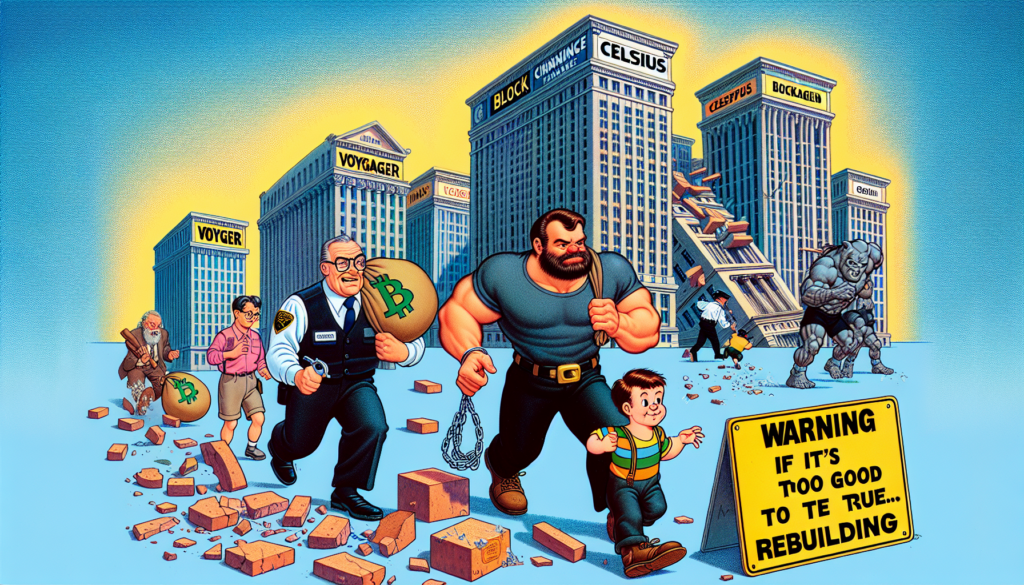
The Fall of CeFi Lending
In 2022, the collapse of centralized crypto lenders (CeFi lenders) was one of the most painful chapters in crypto history. Celsius, BlockFi, Voyager Digital, Genesis – all went bankrupt, with billions in investor funds. Now, in 2026, the segment is reforming. But what have we learned?
How Did CeFi Lending Work?
The promise was simple:
- Deposit your crypto on the platform
- Get 10-20% annual returns
- The platform lends your assets to traders, institutions, and pays the yield from the interest spread
The reality is much riskier .
The Chronology of the Collapse
Terra/Luna Collapse (May 2022)
A $40 billion Terra/Luna ecosystem collapse was the first domino:
- The UST algorithmic stablecoin lost its peg
- LUNA token value fell to zero
- Many CeFi lenders had invested in Terra – suffering massive losses
Three Arrows Capital (3AC) – June 2022
- One of the largest crypto hedge funds went bankrupt
- $3.5 billion in debt – borrowed from CeFi lenders
- The founders (Su Zhu, Kyle Davies) initially fled, then were arrested
Celsius – June 2022
- Suspended withdrawals – $4.7 billion in customer assets locked
- CEO Alex Mashinsky faces fraud charges in court
- It emerged: customer assets were used in risky DeFi strategies and unsecured loans
Voyager Digital – July 2022
- Filed for bankruptcy protection due to 3AC exposure
- $650+ million in customer assets locked
BlockFi – November 2022
- Went bankrupt alongside the FTX collapse
- Previously "rescued" by FTX – but this proved to be a trap
Genesis/DCG – January 2023
- The lending arm of Digital Currency Group (Grayscale's parent company) went bankrupt
- $3+ billion in debt
- Gemini Earn users were also affected
What Went Wrong?
- Non-segregated assets: The platform could freely use customers' crypto – it wasn't ring-fenced
- Unsecured lending: Platforms lent to institutions (3AC, Alameda) without collateral
- Maturity transformation: Short-term deposits funded long-term positions – exactly like in traditional banking crises
- Hidden risk-taking: Customers didn't know where the platform was investing their assets
- No deposit insurance: Traditional bank deposits are insured by OBA (in Hungary) or FDIC (USA) – CeFi has no such protection
Bankruptcy Proceedings Outcomes
- Celsius: Bankruptcy proceedings concluded in 2024, customers received ~70-80% of their assets (at bankruptcy-time prices)
- Voyager: Partial payout, after the failed Binance.US acquisition
- BlockFi: Some customers are being compensated through the FTX bankruptcy proceedings
- Genesis: Settlement with creditors, partial repayment
The Rebirth: CeFi 2.0
After the collapse, surviving and new players take a different approach:
- Proof of Reserves: Regular, audited reserve verification
- Segregated assets: Customer assets must be held separately
- Transparent risk management: Investment strategies are public
- Regulatory compliance: Compliance with MiCA and other frameworks
- Lower yields: The "too good to be true" 20% APYs are gone – sustainable yield is around 3-8%
In Conclusion
The CeFi lending crisis was the crypto world's own "2008 financial crisis" . The collapse was painful but necessary: it weeded out irresponsible players and accelerated regulation.
If someone promises 15-20% "risk-free" returns on your crypto, the question isn't how much you can earn – but where the hidden risk is. Because there always is one.
⚠️ Legal disclaimer: This article is for informational purposes only and does not constitute investment advice. All investment decisions are made at your own risk.





Comments
Share your view: questions, corrections, and counterpoints are welcome. Comments are for constructive, useful discussion.