 blog
blog
Brazil’s Minister of Finance has made a surprising move: postponing the implementation of its cryptocurrency tax policy. This decision is largely influenced by the presidential elections scheduled for October 2026, in which current President Luiz Inácio Lula da Silva intends to run. This highlights how political cycles can significantly impact the pace and shape of crypto regulations. For stakeholders in the crypto market, this presents both uncertainty and an opportunity to refine the regulatory environment.
Details of the Brazilian Situation
The Brazilian Minister of Finance’s decision doesn’t signify a complete abandonment of crypto taxation, but rather a delay in its implementation. While the precise reasons remain unclear, it’s likely the government aims to avoid potentially unpopular measures affecting the crypto market before the elections. Crypto taxation is a sensitive issue globally, as it influences investor behavior and the growth of the crypto market. Brazil’s decision underscores the need for regulators to consider economic and political factors.
2026: A Turning Point for Global Crypto Regulation?
While Brazil has delayed its regulations, the global trend clearly points towards increased crypto regulation. Numerous countries, including the United States, are actively working on stricter rules for the crypto market. According to a PwC analysis, 2026 will be a pivotal year for crypto regulation, with many draft proposals expected to become reality. This shift will significantly impact the crypto market, both positively and negatively. Stricter regulation can reduce risks and increase investor confidence, but it may also stifle innovation and market growth.
US Regulatory Efforts
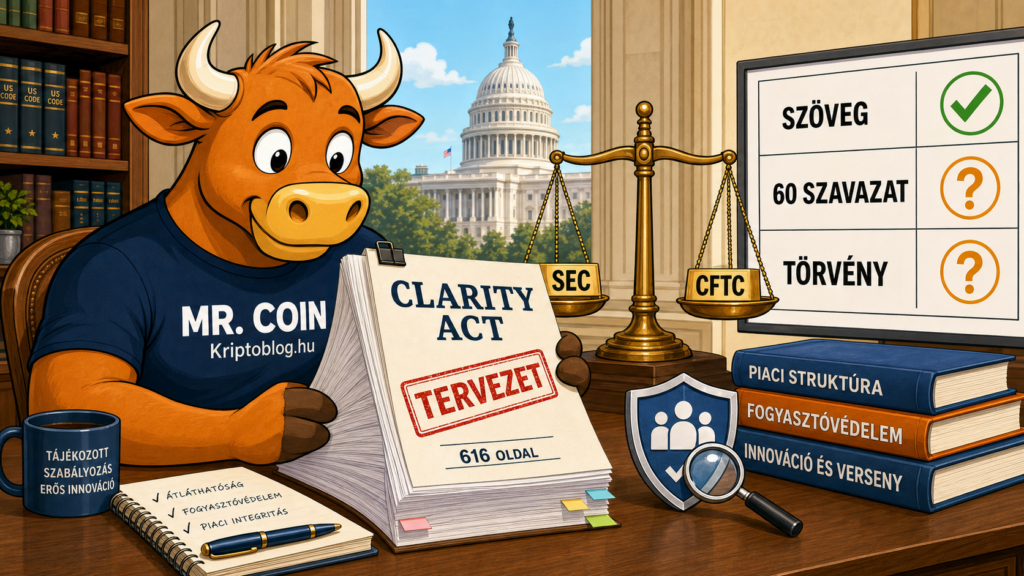
In the United States, the Securities and Exchange Commission (SEC) is taking a leading role in crypto regulation. The SEC aims to bring crypto assets under existing securities laws, protecting investors from fraud and manipulation. The SEC is expected to introduce new digital asset rules by 2026, which will significantly impact how the crypto market operates. These rules could affect crypto exchanges, wallets, smart contracts, and mining operations. Clarity in the regulatory environment is essential for the long-term development of the crypto market.
What Can the Crypto Market Expect from the Regulations?
Stricter regulation will likely cause short-term volatility in the crypto market. Investors may become more cautious, and demand for crypto assets could decrease. However, in the long term, regulation can increase market transparency and stability, making it more attractive to investors. A regulated crypto market could also open the door for institutional investors to invest in crypto assets, further expanding the market. The application of blockchain technology in the financial sector could also become more widespread, leading to new, innovative solutions.
Changes in Yield Opportunities
Regulatory changes will likely impact the yield opportunities available in the crypto market. Decentralized finance (DeFi) platforms, which offer high yields, may come under stricter scrutiny. Regulators will likely prioritize investor protection and may restrict high-risk DeFi projects. Yields in regulated crypto markets may be lower, but investors could feel more secure. Regulation could also promote the adoption of stablecoins, which offer lower volatility than other crypto assets.
Conclusion
The Brazilian Minister of Finance’s decision highlights that crypto regulation is a complex process influenced by numerous factors. 2026 is poised to be a crucial year for global crypto regulation, with many draft proposals expected to become law. These regulatory changes will impact the crypto market, investor behavior, and yield opportunities. Crypto market participants need to prepare for these changes and monitor the evolving regulatory landscape. Long-term success requires cooperation with regulators and transparent operations.





Comments
Share your view: questions, corrections, and counterpoints are welcome. Comments are for constructive, useful discussion.