 blog
blog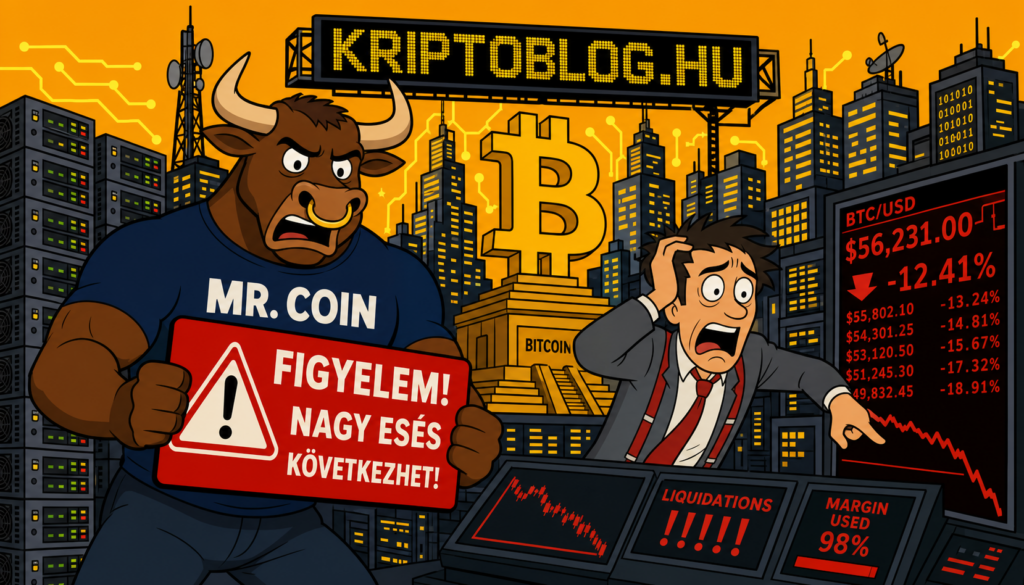
The Bitcoin (BTC) market is currently displaying mixed signals. While the spot market shows relative price stability and outflows from Bitcoin ETFs haven’t triggered a dramatic shift in investor sentiment, derivative markets – particularly the options market – are increasingly reflecting fear. This article examines the signals from Bitcoin options, the impact of BTC ETF outflows, and the role of macroeconomic factors.
Bitcoin ETF Outflows: Not the Beginning of the End?
Recent outflows from Bitcoin ETFs have raised concerns among investors. These outflows represent investors selling their holdings in Bitcoin ETFs, which theoretically could exert downward pressure on the Bitcoin price. However, it’s important to note that the current outflow volume remains relatively low and doesn’t indicate a complete reversal of investor sentiment. Following the initial euphoria, the market is consolidating, and investors are taking profits – a natural market process.
Options Market Signals: Growing Fear
Options markets reflect expectations regarding future price movements. In the Bitcoin options market, an increase in demand for put options clearly signals fear. Put options allow investors to sell Bitcoin at a predetermined price, regardless of how the price actually moves. The growing demand for put options suggests traders are preparing more for downside risk.
Macroeconomic Factors: Underlying Concerns
The concerns aren’t solely driven by Bitcoin ETF outflows, but also by a deteriorating macroeconomic situation in the United States and high oil prices. High inflation, rising interest rates, and slowing economic growth can negatively impact interest in risk assets like Bitcoin. High oil prices further exacerbate inflationary pressures and erode consumer confidence. This macroeconomic environment contributes to investor caution and the fear observed in the Bitcoin options market.
Decline of Yield Hunting
The cooling interest in Bitcoin is also linked to a decrease in yield-hunting strategies. During periods of low interest rates, investors turned to riskier assets like Bitcoin in search of higher returns. However, rising interest rates diminish the appeal of yield hunting, prompting investors to shift towards safer investments. This trend is also exerting negative pressure on the Bitcoin price.
The Future of Blockchain Technology
While short-term price movements are uncertain, the long-term potential of blockchain technology remains significant. Smart contracts, decentralized finance (DeFi) applications, and digital identity solutions are all contributing to the adoption of blockchain technology. Bitcoin, as the first and most popular cryptocurrency, will continue to play an important role in the digital economy.
The Future of Mining and Wallet Security
Bitcoin mining activity is also a crucial consideration for market stability. Miners are responsible for verifying transactions and maintaining the security of the blockchain. Changes in mining difficulty and mining costs can influence the supply and price of Bitcoin. Using secure wallets is essential for storing and protecting Bitcoin and other cryptocurrencies. Hardware wallets (cold wallets) are generally more secure than software wallets (hot wallets) as they store private keys offline.
Conclusion: Cautious Optimism
The Bitcoin options market is signaling fear, even though Bitcoin ETF outflows have remained relatively low. Macroeconomic factors and the decline of yield hunting are contributing to investor caution. However, it's important to remember that the long-term potential of blockchain technology remains significant. Investors should exercise caution and monitor market trends before making investment decisions.






Comments
Share your view: questions, corrections, and counterpoints are welcome. Comments are for constructive, useful discussion.