 blog
blog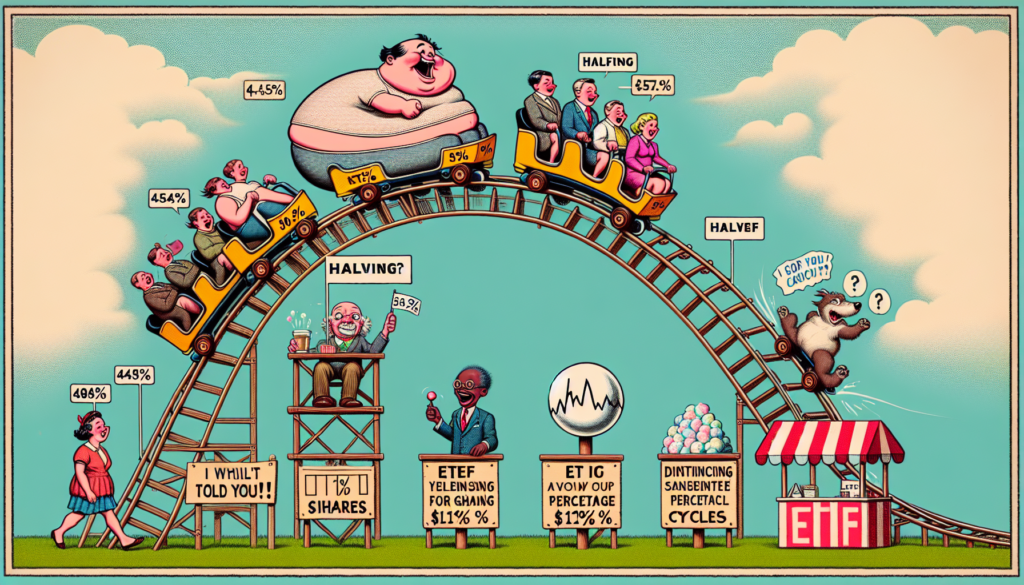
The Next Bitcoin Cycle: 2026-2028 Outlook
Bitcoin's 4-year cycles are one of the industry's most well-known patterns. Price movements around the halving have followed a similar arc every time so far. But will the post-2024 halving cycle follow the previous patterns, or will market maturity bring new dynamics?
Bitcoin Cycle History
1st Cycle (2012 halving)
- Halving: November 2012 – reward: 50 → 25 BTC
- Peak: November 2013 – ~$1,100
- Rise from halving to peak: ~9.000%
- Low after peak: ~$170 (-85%)
2nd Cycle (2016 halving)
- Halving: July 2016 – reward: 25 → 12.5 BTC
- Peak: December 2017 – ~$19,800
- Rise: ~2.900%
- Low: ~$3,200 (-84%)
3rd Cycle (2020 halving)
- Halving: May 2020 – reward: 12.5 → 6.25 BTC
- Peak: November 2021 – ~$69,000
- Rise: ~700%
- Low: ~$15,500 (-78%)
4th Cycle (2024 halving)
- Halving: April 2024 – reward: 6.25 → 3.125 BTC
- Peak so far: Historic highs, levels above $100,000
- Question: When and where will the peak be?
The Theory of Diminishing Returns
The cycles show a clear trend: each cycle brings a smaller percentage increase:
- 9,000% → 2,900% → 700% → ???
- If the trend continues, the 4th cycle's peak increase could be 200-300% from the halving
- This is still significant – but not the "1000x" many expect
What Supports the Bullish Scenario?
Supply Side
- A halving reduced new supply – daily ~450 BTC vs. previous ~900
- The ETFs buy more BTC daily than miners produce
- A long-term holder (LTH) supply at record levels – few want to sell
- MicroStrategy and other companies are continuously buying
Demand Side
- The institutional capital (through ETFs) provides stable demand
- A interest rate cuts favor risky assets
- A Bitcoin strategic reserve narrative from states and companies
- Developing countries' inflation is driving capital toward Bitcoin
What Supports the Bearish Scenario?
- Recession risk: A global economic slowdown would affect all risky assets
- Regulatory surprise: Unexpected bans or restrictions
- Geopolitical shock: War, sanctions, energy crisis
- Profit-taking: Early ETF buyers may sell near the peak
- Altcoin rotation: Money flowing from BTC to altcoins could reduce BTC dominance
Possible Scenarios 2026-2028
Bullish Scenario
- First half of 2026: cycle peak, $150,000-$250,000 range
- Second half of 2026 – 2027: correction, consolidation
- 2028: new halving (reward: 3.125 → 1.5625 BTC), beginning of a new cycle
Supercycle Scenario
- Institutional capital and ETFs break the 4-year cycle
- Continuous, slower rise with corrections, but without a major collapse
- Bitcoin "matures" – lower volatility, more stable trend
Bearish Scenario
- Macroeconomic crisis drags down crypto assets
- 60-70% correction from the peak – even ETFs don't fully protect against it
- The bear market lasts 12-18 months, then a new base forms
In Conclusion
Bitcoin cycles have been surprisingly consistent so far – but the past is no guarantee of the future. The post-2024 halving cycle is the first in which institutional capital (ETFs) and state interest (strategic reserves) are dominant factors.
Bitcoin's future cannot be predicted – but preparation is possible. A plan, diversification, and controlling greed: these three things separate the successful investor from the one who buys at the top and sells at the bottom.
⚠️ Legal disclaimer: This article is for informational purposes only and does not constitute investment advice. All investment decisions are made at your own risk.






Comments
Share your view: questions, corrections, and counterpoints are welcome. Comments are for constructive, useful discussion.