 blog
blog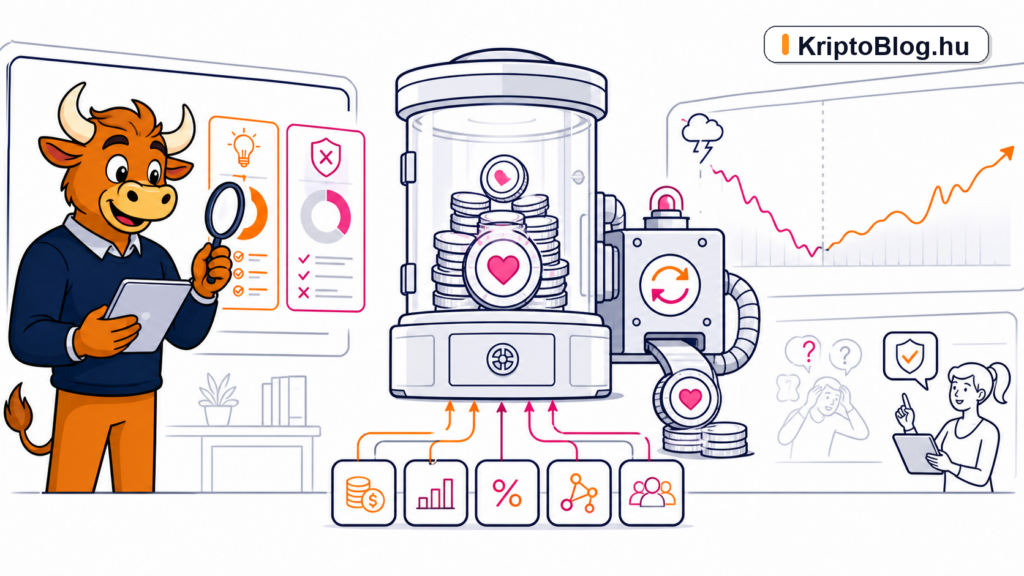
In Short
The Aave debate is not only about one price move or one denial. The deeper issue is how DeFi protocols can connect real protocol revenue to token value in a predictable way.
That is why Aavenomics 3.0 matters. The direction points toward a more automated, less discretionary buyback model that could create a clearer link between usage, revenue and AAVE.
Why The Market Is Sensitive
Trust in DeFi can deteriorate quickly and recover slowly. A confusing OTC transaction, discount rumor or founder message may pressure the token even when the protocol itself works well.
In that situation, the market does not want broad reassurance. It wants parameters: which revenue goes into buybacks, how often the mechanism runs, who can change it and what happens in a weak market.
The Power And Trap Of Buybacks
A rule-based buyback is a strong signal. It says the protocol is not only promising tokenholder value, but assigning an operating mechanism to it. That moves DeFi closer to cash-flow-based valuation.
But buybacks are not magic. If protocol revenue falls, buyback power falls too. If the mechanism is too rigid, it may buy at bad times. If it is too flexible, the market cannot know what to expect.
KriptoBlog.hu View
Aave remains a key DeFi protocol, but the next phase is not only about liquidity. It requires economic discipline, transparent tokenomics and clear governance.
Aavenomics 3.0 is a strong promise, but the market will ask for execution, auditable rules and trackable treasury logic beyond communication.
Sources
- The Defiant: Aavenomics 3.0
- Unchained: Kulechov and buybacks
- Aave Governance: buybacks program
- Aave Governance: pause buybacks
Not financial advice.



Comments
Share your view: questions, corrections, and counterpoints are welcome. Comments are for constructive, useful discussion.