 blog
blog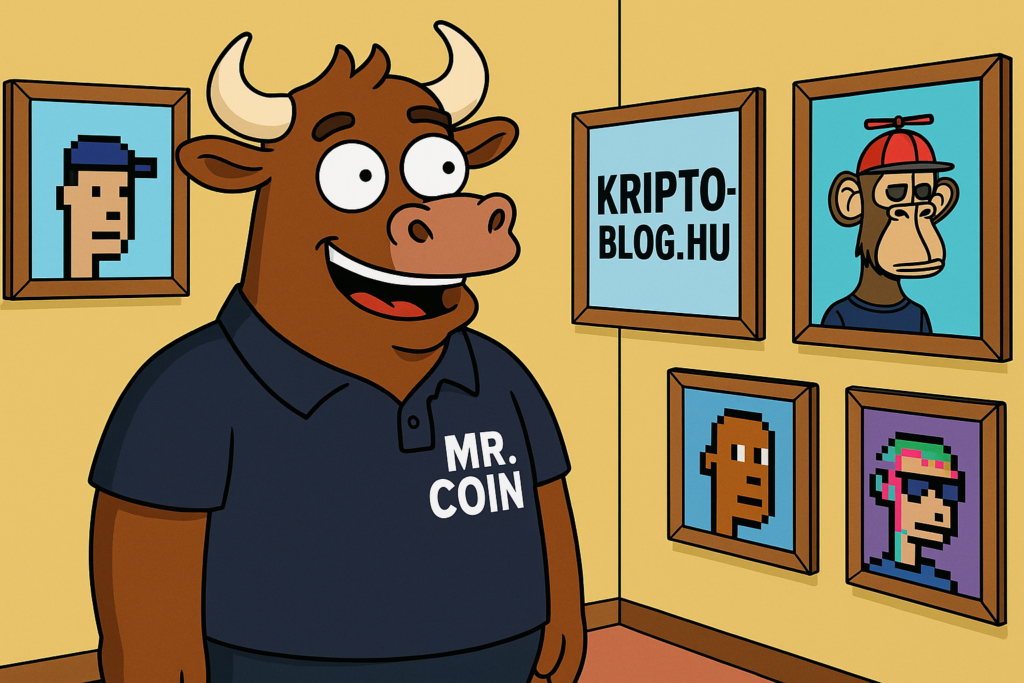
Reports of NFTs' Death Are Greatly Exaggerated
If you remember 2021, you've surely heard about the incredible success of Bored Ape Yacht Club and Beeple's digital artworks. At that time, everyone wanted to buy NFTs, and the market was in ecstasy. However, by 2023, the market suffered a massive crash, with sales declining by 95%. Many thought NFTs were dead. But looking at early 2026, we can witness a much quieter but far more interesting revolution. The question is: why is this the case? Why was the speculation so short-lived, and why didn't the technology itself die?
The Burst of the Speculative Bubble
Let's examine what really happened during the big crash:
- The OpenSea, the largest NFT marketplace, saw its volume drop from $5 billion to less than $200 million.
- The largest and most well-known NFT collections, such as BAYC and CryptoPunks, lost 80-90% of their value.
- Thousands of seemingly promising projects became worthless.
- Most celebrities and major brands quietly exited the NFT world.
However, this didn't mean the technology end of NFTs, but merely the bursting of the speculative bubble . Just like the dotcom bubble didn't kill the internet. I think this is an important lesson: speculation and real technological value are two different things.
The Quiet Revolution of NFTs
1. Digital Identity and Access
The most promising application of NFTs is found in the area of token gating :
- Event tickets: The GET Protocol and similar solutions offer the possibility of providing unforgeable tickets that can also be traded on the secondary market. For example, think about how much this simplifies the work of concert organizers!
- Membership systems: Exclusive communities and clubs have also started using NFT-based access, taking exclusivity to a new level.
- Loyalty programs: The Starbucks Odyssey program is a perfect example of how major brands can use NFTs to improve the customer experience.
And you? In what area could you imagine the application of NFTs?
2. Gaming and Metaverse
In games, representing in-game items as NFTs is becoming increasingly natural:
- Interoperable game items make it possible to use objects acquired in one game in other games. This is a huge advantage for gamers, as the invested time and money isn't wasted if they switch.
- It provides true ownership over digital items, which could revolutionize game economies.
- The possibility of a secondary market opens up an entirely new world for trading rare in-game items.
In which game would you like to see NFT integration?
3. Music and Intellectual Property
A music NFTs are seeing real innovation:
- Sound.xyz, Audius: These platforms allow artists to sell their music directly to fans, thus avoiding fees charged by intermediaries.
- Royalty sharing: Smart contracts automatically distribute streaming revenues among NFT holders, resulting in greater transparency and fairer distribution.
- Limited editions: Exclusive, collectible music releases offer fans a new opportunity to own valuable and unique pieces.
What do you think, how could this system change the music industry?
4. Digital Twins of Physical Assets (Phygital)
Connecting NFTs with the physical world opens up exciting possibilities:
- Luxury goods authentication: LVMH and Nike (Swoosh) embed NFC chips in physical products, while NFTs provide digital certification. With this method, we can easily verify a product's authenticity.
- Real estate documentation: NFT-based records could revolutionize the management of property deeds and documents, resulting in faster and more secure processing.
- Supply chain: With NFTs, we can also track products' journey from manufacturer to consumer, increasing transparency and consumer trust.
How do you see this impacting our everyday lives?
Why Does This Matter?
It's worth examining why NFTs represent a significant advancement in the digital world. NFTs are not only useful in the areas of art and entertainment but also create new opportunities in business. The authentication and protection of digital property rights, as well as the integration of smart contracts into everyday processes, could revolutionize how the economy works. The transparency and traceability created by NFTs can also be a valuable tool for companies, especially in supply chains. Just think about how important it would be, for example, to precisely track the origin of products in the food industry!
Practical Tips
If you're considering investing in NFTs or participating in this ecosystem in some way, there are a few things worth considering:
- Research: Do thorough research on the specific NFT project before buying. Check who is behind the project and what their long-term goals are.
- Security: Pay attention to the security of your digital wallet and use reliable platforms for conducting transactions.
- Risk management: Never invest more than you can afford to lose. Due to the volatility of the NFT market, it's important to be aware of the risks.
What other aspects would you consider important?
How does this affect you?
The wide range of applications of NFT technology means that you will probably encounter it in some form in your everyday life. Whether it's purchasing a concert ticket, an in-game item, or even owning a piece of art, NFTs add a new dimension to your digital world. It might be worth getting familiar with these possibilities now, as they are likely to become increasingly widespread in the future. How do you think NFTs will affect your life?
The Marketplace Transformation
NFT marketplaces have also undergone significant transformation in recent years:
- OpenSea no longer dominates the market as it once did. New players like Blur and Magic Edenhave taken over a significant portion of the business.
- A creator royalty issue remains debated. Some marketplaces have removed it, while others have preserved this feature.
- A multi-chain NFTs have spread, meaning vibrant NFT ecosystems have developed not only on Ethereum, but also on Solana, Bitcoin (Ordinals), Polygon, and other blockchains.
What do you think the NFT market will look like in 2030?
Bitcoin Ordinals: The New Chapter
In 2023, Bitcoin Ordinals breathed new life into the NFT segment. Ordinals NFTs are issued directly on the Bitcoin blockchain, which has divided the community. While some believe this deviates from the original concept, others think this innovation was necessary to give the Bitcoin ecosystem new momentum. What do you think about this new development?
In Conclusion
Overall, NFTs in 2026 are no longer just about selling monkey pictures for millions. The technology is becoming embedded in our everyday digital lives. Whether it's tickets, games, music, or loyalty programs. The shiny bubble has burst, but what remains creates real value . NFTs haven't died — they just shed the costume of speculation and started working.
And you? How will you use NFTs in the future?
Sources
⚠️ Legal disclaimer: This article is for informational purposes only and does not constitute investment advice. All investment decisions are made at your own risk.


Comments
Share your view: questions, corrections, and counterpoints are welcome. Comments are for constructive, useful discussion.