 blog
blog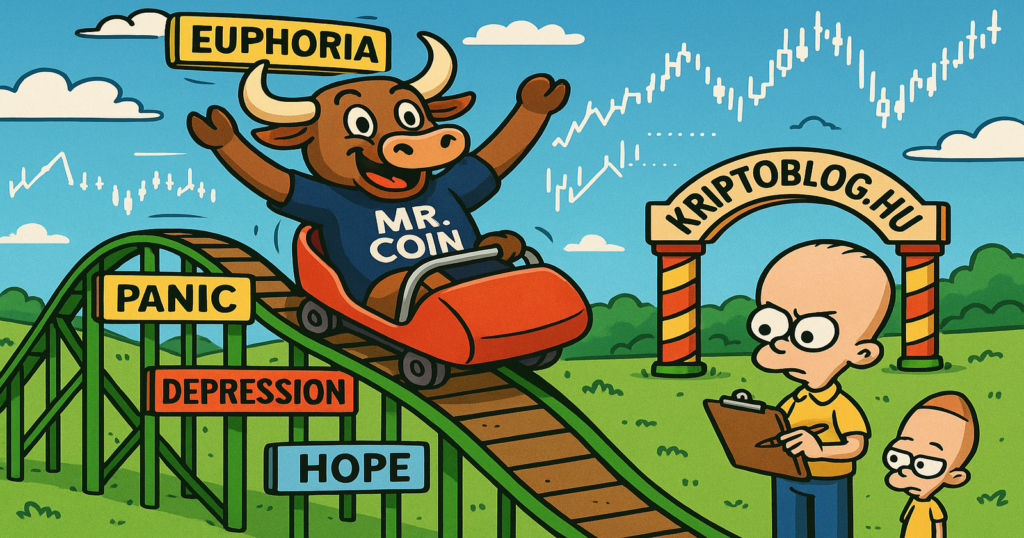
Panic or Natural Process?
The crypto market reached its latest peak in mid-2025, and we've been seeing roughly four months of continuous decline since then. Bitcoin fell below the $63,000 level, altcoins bled even more, and "crypto is dead" posts reappeared on social media. But is a crypto bear market 2026 truly on the horizon, or are we simply seeing a healthy correction?
What Happened in the Market?
According to VanEck's early February analysis, the February sell-off was caused by a combination of factors:
- Makrogazdasági félelmek: az amerikai munkaerőpiac gyengélkedése és a Fed kamatlábakkal kapcsolatos bizonytalansága
- Túlfűtött tőkeáttétel: a futures piacon hatalmas long pozíciók halmozódtak fel, amelyek kaszkádszerű likvidálásokhoz vezettek
- Intézményi profitrealizálás: a 2025-ös csúcsok környékén a nagybefektetők elkezdtek leépíteni pozícióikat
- Geopolitikai feszültségek: kereskedelmi háborúk és szabályozási bizonytalanság több fronton
Historical Context: This Has Happened Before, and It Will Again
If we look at Bitcoin's historical cycles, the picture immediately becomes less frightening:
- 2017-2018: $20 000-ról $3 200-ra (-84%)
- 2021-2022: $69 000-ról $15 500-ra (-77%)
- 2025-2026: eddig kb. -40% a csúcsról
A jelenlegi csökkenés mértékében messze nem éri el a korábbi medvepiacokat. Ez persze nem jelenti, hogy nem mélyülhet tovább — de perspektívába helyezi a helyzetet.
Bear Market or Correction? The Definition Matters
In traditional financial markets, a decline exceeding 20% is considered a bear market. In crypto, this threshold is meaningless — Bitcoin regularly moves 30-40% within a single bull cycle.
What better distinguishes a correction from a bear market:
- Ciklusidő: a korábbi medvepiacok 12-18 hónapig tartottak, a jelenlegi csökkenés 4 hónapos
- Fejlesztői aktivitás: az Ethereum és más ökoszisztémák fejlesztői aktivitása nem csökkent — sőt, nőtt
- Intézményi jelenlét: a Bitcoin ETF-ek beáramlása ugyan lassult, de nem fordult meg
- Volatility: a VanEck elemzése szerint a volatilitás alacsonyabb, mint a korábbi medvepiacokban
The Psychology That Kicks In
Anchoring: We Compare Everything to the Peak
This is perhaps the most destructive bias in a declining market. If Bitcoin was at $105,000 and is now at $63,000, you automatically experience it as a "loss" — even if you bought a year ago at $45,000 and are still up 40%. Because of anchoring, the peak becomes your reference point, not your actual entry price.
Loss Aversion: Losses Hurt Twice as Much
A fundamental truth of behavioral economics: an equal-sized loss emotionally impacts us twice as much as an equivalent gain. That's why far more people panic during a 20% drop than those who celebrate a 20% rise.
This loss aversion leads to the worst decisions: people sell at the bottom, precisely when they should be holding.
Disposition Effect: We Sell Winners, Hold Losers
Watch your own behavior: if a coin is up 50%, you instinctively want to sell to "lock in profits." But if it's down 50%, you hold because "it'll come back." This is the disposition effect — doing exactly the opposite of what rational investing dictates.
The Psychology of the Cycle
Every market cycle has its own emotional trajectory:
Eufória → „Mindenki milliomos lesz!”
Tagadás → „Ez csak egy kis visszahúzás”
Félelem → „Talán el kellene adnom”
Pánik → „Mindent eladok, ez az egész átverés”
Depresszió → „Soha többé kripto”
Remény → „Hm, talán mégis van benne valami…”
Optimizmus → „Óvatosan visszaveszek”
Eufória → és kezdődik elölről…
Where are we now? Somewhere between fear and denial — which, if history repeats itself, isn't yet the bottom.
Institutional vs. Retail Behavior: The Big Difference
One of the most interesting characteristics of the 2026 decline is the divergent behavior of institutional and retail investors:
- Retail: pánik eladás, crypto Twitter apokaliptikus posztok, „ez volt az utolsó ciklus” narratíva
- Intézmények: csendes akkumuláció, Bitcoin ETF pozíciók tartása, sőt egyes esetekben növelése, infrastrukturális fejlesztések
Historically, this divergence has always signaled that "smart money" thinks differently than the crowd.
What Should You Do During a Correction?
- Értékeld újra a portfóliódat: de ne az érzelmek alapján, hanem a fundamentumok szerint
- Ne próbálj aljat elkapni: a „falling knife” stratégia a legtöbb ember számára veszteséges
- DCA (Dollar Cost Averaging): ha hosszú távon gondolkodsz, a rendszeres, kis összegű vásárlás kiegyenlíti a volatilitást
- Készíts tervet a pánik ELŐTT: ha most döntöd el, hogy milyen áron mit csinálsz, nem az érzelmeid fognak dönteni a kritikus pillanatban
Summary: Bear or Not Bear?
The crypto bear market 2026 label seems premature for now. What we're seeing is more of a healthy, albeit painful, correction after the 2025 peaks. Historical patterns, institutional behavior, and fundamental indicators don't point to a classic bear market.
De — és ez a legfontosabb — senki sem tudja biztosan. Aki azt mondja, pontosan tudja, merre megy a piac, az vagy hazudik, vagy a Dunning-Kruger effektus áldozata. Amit tehetsz: felkészülsz mindkét forgatókönyvre, és nem hagyod, hogy az érzelmeid irányítsák a pénztárcádat.







Comments
Share your view: questions, corrections, and counterpoints are welcome. Comments are for constructive, useful discussion.