 blog
blog
France is experiencing a worrying increase in violent crime targeting cryptocurrency owners. A recent incident near Versailles, where a couple was targeted for €900,000 worth of Bitcoin, is not an isolated event. This escalating trend is raising alarms within the crypto industry and among authorities. Some leaders are now employing personal security details to protect themselves.
The Drivers Behind the Attacks
The motivation behind these attacks is clear: the potential for quick and anonymous profit from digital assets. Unlike traditional banking systems, blockchain transactions are more difficult to trace, hindering the identification of criminals and the recovery of stolen funds. High-value crypto wallets are particularly attractive targets, as attackers assume owners hold significant digital wealth.
Ministerial Intervention and Enhanced Security
The French Minister of the Interior has acknowledged the severity of the problem and intervened. Law enforcement is increasing its focus on attacks against cryptocurrency owners and working to apprehend the perpetrators. However, the frequency of these incidents is prompting some crypto industry leaders to take drastic measures, such as hiring bodyguards, highlighting the critical importance of security within the sector.
Industry Response and Future Outlook
The attacks are causing significant concern within the crypto community. Members are advocating for strengthened security measures and closer collaboration with law enforcement. It’s crucial that cryptocurrency owners are aware of the risks and take appropriate precautions to protect their assets, including using secure wallets, enabling two-factor authentication, and safeguarding personal information.
Regulatory Shifts in the US
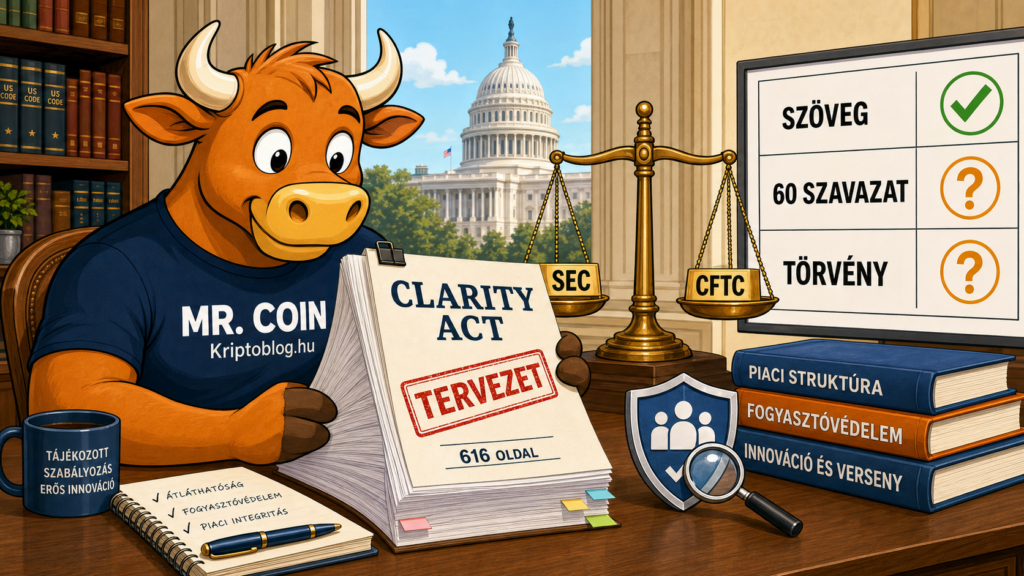
While the French incidents primarily focus on physical security, it’s important to note regulatory developments in other countries. In the United States, the Securities and Exchange Commission (SEC) recently issued its first five-category guidance regarding cryptocurrencies. The SEC is classifying Bitcoin, Ethereum, and Solana, along with 13 other crypto assets, as digital commodities rather than securities. This decision could significantly impact crypto regulation in the US and influence investor behavior.
Smart Contracts, DeFi, and Security
The rise of Decentralized Finance (DeFi) presents new security challenges. Smart contracts can be vulnerable to hacks, potentially leading to substantial financial losses for users. Therefore, thorough testing and auditing of smart contracts are essential to identify and address vulnerabilities. Increased vigilance is also needed regarding security risks associated with mining and yield farming.
Future Trends and Security Challenges
Growing interest in cryptocurrencies is likely to further increase the number of attacks targeting crypto owners. In the future, developing security technologies and fostering closer collaboration between authorities will be key to curbing crime. Cryptocurrency owners must stay informed about the latest security threats and take appropriate preventative measures. The evolution of blockchain technology and changes in the regulatory landscape will also influence the security of the crypto industry.





Comments
Share your view: questions, corrections, and counterpoints are welcome. Comments are for constructive, useful discussion.