 blog
blog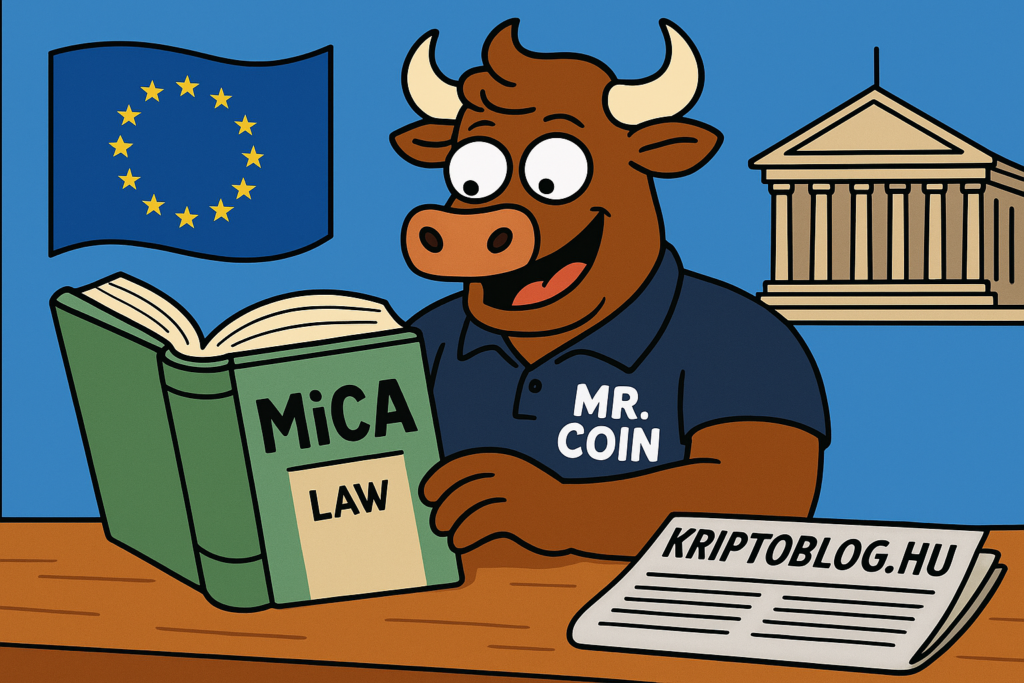
**Have you ever experienced the feeling of a cryptocurrency price crashing?** Those moments when the value of your investment evaporates in a few hours can be terrifying. The lack of regulation has long exacerbated this risk, but now a significant change is on the horizon in Europe. The **MiCA (Markets in Crypto-Assets)** regulation aims to create a transparent and secure framework for the cryptocurrency market, thereby protecting investors and promoting innovation.
A Markets in Crypto-Assets (MiCA) regulation is the European Union's first comprehensive crypto-asset regulatory framework. It was adopted in 2023 and came into full effect from the end of 2024. But what does this mean in practice for traders, projects, and everyday users? Have you ever wondered how this will affect your crypto investments or what changes it might bring to everyday life? Let's take a detailed look!
The Main Pillars of MiCA
1. Licensing of Crypto-Asset Service Providers (CASPs)
Every crypto-asset service provider operating within the EU — whether it's an exchange, custodian, or broker — must obtain a license from the supervisory authority of one member state. This license is then valid throughout the entire EU ("passporting"), meaning that if a provider receives a license in one country, it can operate across the entire EU. But why is this important? Because users can feel more secure, as obtaining licenses is subject to strict requirements.
- Binance, Kraken, Coinbase, and other major exchanges all had to comply with the new requirements, which demanded significant resources.
- Smaller, non-EU exchanges that didn't apply for a license lost their access to the European market, leading to a decrease in their user numbers.
- A capital requirements and organizational structure expectations filtered out unreliable players, resulting in a cleaner market in the long run.
2. Stablecoin Regulation
MiCA treats stablecoins particularly strictly, distinguishing two categories:
- ARTs (Asset-Referenced Tokens): Multi-asset-backed tokens — strict reserve requirements and regular audits are needed, increasing investor confidence.
- EMTs (E-Money Tokens): Single fiat currency-pegged tokens (e.g., USDC, USDT) — electronic money institution license required, ensuring issuers comply with financial stability requirements.
A Tether (USDT) situation is particularly interesting: since the company didn't fully comply with MiCA's transparency requirements, several European exchanges restricted or discontinued USDT trading. This led to the strengthening of USDC and EURC (euro stablecoin) in Europe, as these tokens better met the regulatory expectations.
3. Whitepaper Requirements
Every new crypto-asset issuer must publish a detailed whitepaper which must contain:
- A detailed description of the project and its technology, ensuring transparency for potential investors.
- Risk factors that help investors assess the project's risks.
- The issuer's financial situation, which is crucial for transparency.
- The token economics (tokenomics), which sheds light on how the token is issued and used.
Why Does This Matter?
If we consider that the crypto-asset market has grown explosively in recent years, the need for regulation became inevitable. Through the MiCA regulation, the EU aims to increase market transparency and protect investors. In my opinion, this step not only increases market safety but also promotes wider acceptance of cryptocurrencies. The fact that regulation extends to stablecoins is particularly important, as these tokens often serve as alternatives to traditional financial systems.
How Does This Affect Hungarian Users?
In Hungary, the MNB (Magyar Nemzeti Bank / Hungarian National Bank) is the designated supervisory authority. But how does this affect Hungarian users in their daily lives?
- KYC tightening: Identification requirements have become stronger, anonymous trading has become virtually impossible on regulated platforms, which increases protection against money laundering and fraud.
- More protection: Service providers must ensure segregated asset management — if they go bankrupt, clients' assets are protected, which is important for investor security.
- Exchange selection: Some previous platforms have left the EU market, while others (e.g., Bitstamp, Kraken) have strengthened their European presence, making it important for users to choose the right platform.
Practical Tips
So what can we, everyday users, do? First of all, if we haven't already, it's worth thoroughly reviewing the regulatory status of the platforms we use to manage our crypto-assets. Let's check whether they have the necessary licenses and comply with the new requirements. Additionally, if we use stablecoins, we should ensure that the chosen token complies with MiCA regulation, particularly the reserve requirements. It's also worth continuously following regulatory changes, as they adapt to the dynamic changes in the market.
International Comparison
MiCA is one of the most comprehensive crypto regulations in the world, but how does it compare to regulations in other parts of the world?
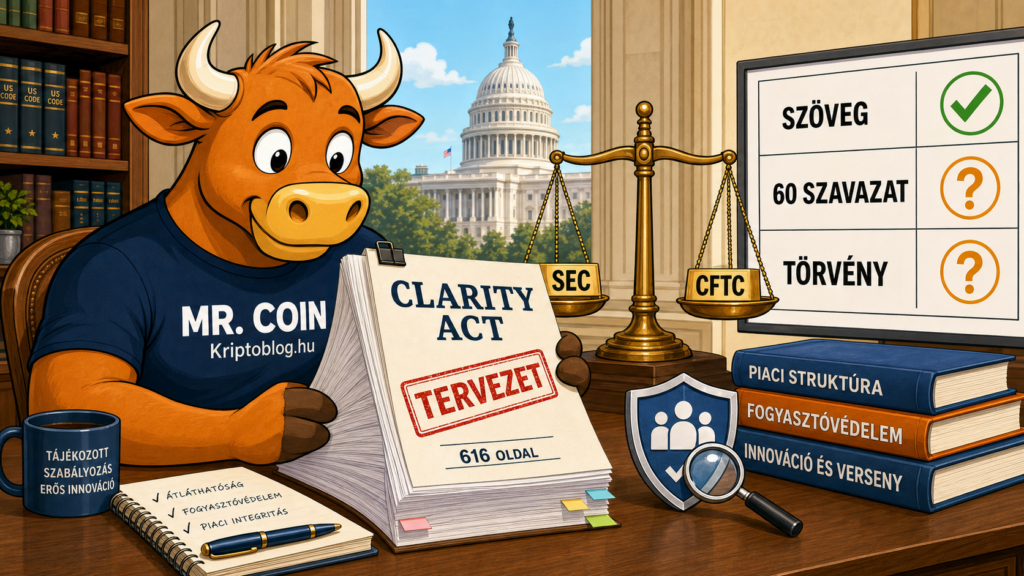
- USA: Regulation remains fragmented (SEC vs. CFTC debate), although significant progress was made in 2025, but there is still much uncertainty.
- UK: Building its own framework under FCA leadership, partly based on MiCA, meaning EU regulations significantly influence the British market as well.
- Singapore, Hong Kong: Competing with the EU for crypto hub status, developing their own innovative regulatory frameworks.
- Dubai: VARA (Virtual Assets Regulatory Authority) aggressively courting crypto companies to make the city a global crypto center.
Criticisms and challenges
MiCA is not perfect and faces several challenges:
- DeFi question: Truly decentralized protocols are hard to fit into the traditional regulatory framework – MiCA largely avoided this, which poses a challenge for regulators.
- NFTs: Individual NFTs were excluded from regulation, but fractionalized NFTs may fall under it, complicating the regulatory framework.
- Innovation hindrance: Some critics argue that strict requirements scare away startups and push innovation outside Europe, which could be disadvantageous for the European market in the long term.
- Uneven implementation: The 27 member states implement the rules with different capacities and speeds, which can result in varying market conditions.
In Conclusion
The MiCA regulation is a double-edged sword: on one hand, it makes the European crypto market safer and more transparent, which could increase institutional investor confidence in the long run. On the other hand, regulatory costs and limitations make things harder for smaller projects. But is strict regulation worth it for long-term stability? One thing is certain: with MiCA, the EU was the first to step into the regulatory spaceand this model influences the direction of crypto regulation worldwide. As the saying goes: "Whoever regulates first shapes the rules of the game."
Sources
- CoinDesk – EU Parliament Approves MiCA Crypto Regulation
- CoinTelegraph – EU's MiCA Passes: What Changes for Crypto Market?
- Investopedia – MiCA Regulation
⚠️ Legal disclaimer: This article is for informational purposes only and does not constitute investment advice. All investment decisions are made at your own risk.




Comments
Share your view: questions, corrections, and counterpoints are welcome. Comments are for constructive, useful discussion.