 blog
blog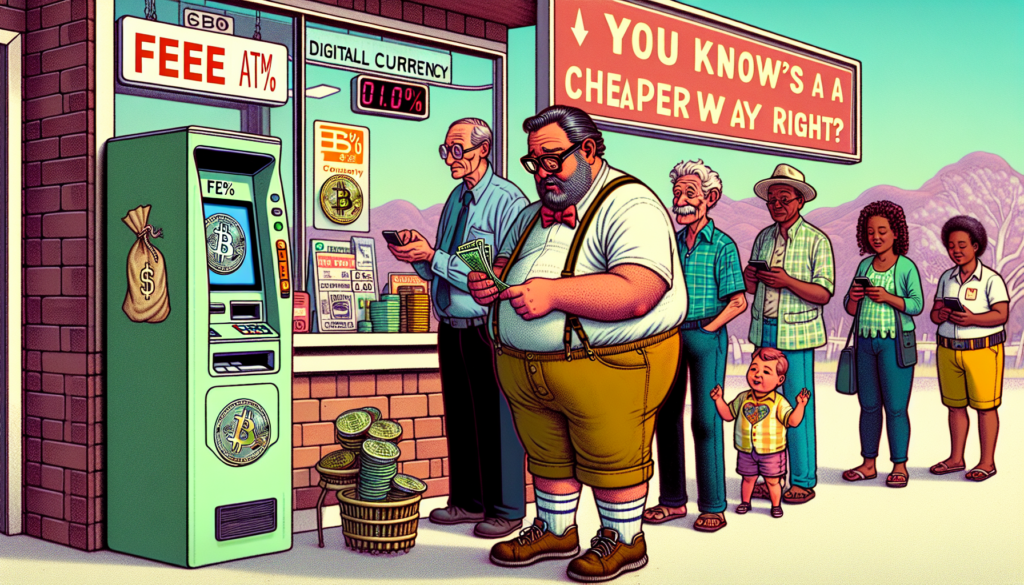
Crypto ATMs: Where the Physical and Digital Worlds Meet
While the crypto world talks about DeFi, Layer 2s, and AI tokens, quietly a physical infrastructure has grown from nothing: the network of crypto ATMs. In 2026, worldwide 40,000+ Bitcoin ATMs are operating – and their number is continuously growing.
How does a crypto ATM work?
Buying (one-way ATM)
- You insert cash into the machine
- You enter your wallet address (QR code)
- The machine sends Bitcoin (or other crypto) to your wallet
- KYC is usually required (identification with phone number or ID)
Selling (two-way ATM)
- You send Bitcoin to the address generated by the machine
- After confirmation, the machine dispenses cash
The global situation
- USA: ~35,000 ATMs – 80% of the market. The largest operators: Bitcoin Depot, CoinFlip, Athena Bitcoin
- Canada: ~3,000 ATMs – the second largest market
- Europe: ~2,000 ATMs – Spain, Austria, Czech Republic are the leaders
- Hungary: A few dozen ATMs, mainly in Budapest
- Latin America: El Salvador, Colombia – growing network
Who benefits from crypto ATMs?
- Unbanked individuals: Those who don't have bank accounts but do have smartphones
- Cash-preferring users: Those who don't want to use online exchanges
- Tourists: Quick currency exchange from crypto to local currency
- Privacy-conscious users: Although KYC is getting stricter, ATMs still require less data for smaller amounts
Fees: the dark side
Crypto ATMs' main criticism is the high fees:
- Average spread/fee: 8-15% above market price
- Some operators charge up to 20%+ in fees
- For comparison: on online exchanges, fees are typically 0,1-1%
- ATMs pay for machine acquisition, rent, maintenance, compliance – these costs are built in
Regulation and crime
Crypto ATMs are interesting from a regulatory perspective too:
- FinCEN (USA): ATM operators need MSB (Money Services Business) registration
- KYC requirements: Becoming increasingly strict – most ATMs require phone number verification for smaller amounts, and ID for larger ones
- Money laundering concerns: The FBI and other authorities monitor suspicious ATM usage
- Scam problems: In the USA, scams targeting the elderly often run through crypto ATMs (the scammer convinces the victim to pay a "fine" at the machine)
The future: smarter ATMs
- Multi-crypto support: Bitcoin, Ethereum, Litecoin, stablecoins
- Lightning Network integration: Faster and cheaper transactions
- NFC and QR payment: Simplified user experience
- DeFi integration: Staking, swap functions directly on the ATM
In Conclusion
Crypto ATMs are the simplest physical gateway to the crypto world. Although fees are high and regulation is tightening, for those who don't want to or can't use an online exchange, this is the most tangible way to acquire cryptocurrencies.
A crypto ATM is not the cheapest way to buy Bitcoin – but it's the simplest. And simplicity is the key to mass adoption.
⚠️ Legal disclaimer: This article is for informational purposes only and does not constitute investment advice. All investment decisions are made at your own risk.






Comments
Share your view: questions, corrections, and counterpoints are welcome. Comments are for constructive, useful discussion.