 blog
blog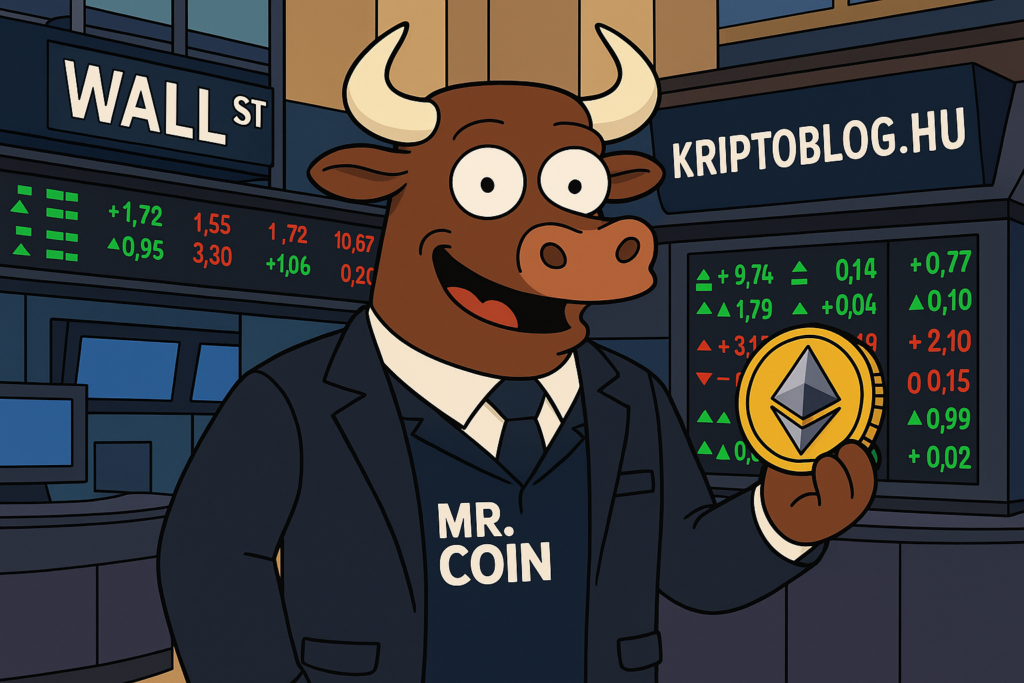
The Arrival of Ethereum ETFs
After the spot Bitcoin ETFs burst onto the American market in January 2024, attention quickly turned to Ethereum. In May 2024, the SEC unexpectedly approved spot Ethereum ETFs, and trading began in July. But was this as big a success as the Bitcoin ETFs? To answer this question, we need to take a deeper look at the details of the Ethereum ETF launch and the crypto community's reactions.
The Numbers Don't Lie
The launch of Ethereum ETFs indeed received a mixed reception. While the Bitcoin ETFs attracted more than $10 billion in capital in the first month, Ethereum ETFs produced more modest but still impressive numbers:
- BlackRock iShares Ethereum Trust (ETHA): Generated the highest volume, with nearly $1 billion in inflows in the first month.
- Fidelity Ethereum Fund (FETH): Finished as a close second, although exact figures did not reach the billion-dollar range.
- Grayscale Ethereum Trust (ETHE): Following the pattern seen with Bitcoin ETFs, there was also significant outflow from the earlier closed-end fund into newer, lower-fee products.
Why Was the Reception More Subdued?
Several factors contributed to the Ethereum ETFs receiving a more subdued reception than Bitcoin's. It's worth examining these in more detail:
1. The Absence of Staking
The SEC did not allow the ETFs to perform staking on the ETH they hold. This means investors forgo the annual 3-5% staking yield — which for many is one of Ethereum's main attractions. The lack of staking capability represents a competitive disadvantage compared to holding ETH directly, as investors cannot fully utilize the opportunities offered by the Ethereum ecosystem.
2. More Complex Narrative
Bitcoin's narrative is simple: "digital gold". In Ethereum's case, investors need to understand smart contracts, the DeFi (decentralized finance) ecosystem, Layer 2 solutions — this is a more complex story for the average institutional investor. While Bitcoin appears simply as a store of value, Ethereum is much more of a platform on which various applications run.
3. The Question of ETH Deflation
A Merge since (September 2022), Ethereum has switched to proof-of-stake, and thanks to the EIP-1559 burning mechanism, its supply has periodically become deflationary. This is a strong fundamental argument, but in market cycles, the amount of burned ETH fluctuates with network activity. The question of ETH deflation is therefore not clearly a positive or negative development, but rather a complex factor that investors must carefully weigh.
Why Does This Matter?
The emergence of Ethereum ETFs is not only a significant event for cryptocurrency markets, but in a broader sense as well. ETFs allow participants in traditional financial markets to access Ethereum without having to directly purchase and store cryptocurrency. This step reduces market volatility, as institutional investors provide more stable capital flows. Furthermore, the introduction of Ethereum ETFs within regulated frameworks increases confidence in cryptocurrencies, which in the long run could contribute to their growing acceptance.
The 2025 Turning Point
By the second half of 2025, Ethereum ETF inflows accelerated. The reasons:
- A Dencun upgrade (March 2024) dramatically reduced Layer 2 transaction fees, which increased network usage.
- A DeFi revival redirected attention back to Ethereum, as a significant portion of DeFi projects run on the Ethereum network, and their popularity began to grow again.
- Several major institutional players (financial advisors, pension funds) began incorporating ETH exposure alongside BTC in their portfolios, giving further legitimacy to Ethereum.
- The ETH/BTC ratio fell to a historically low level, offering a value-based buying opportunity. The rebalancing of the ratio attracted additional investors to the Ethereum market.
Practical Tips
If you're considering investing in Ethereum ETFs, there are a few things worth keeping in mind:
- Diversification: Don't put all your eggs in one basket. While Ethereum ETFs can be attractive, it's always worth diversifying your portfolio with other assets.
- Do your research: Get to know the different ETFs and their fee structures. Some ETFs offer lower fees, which can mean significant savings in the long run.
- Risk management: Cryptocurrency markets can be volatile. Prepare for potential price movements and develop your risk management strategy accordingly.
What to Expect in 2026?
The most important questions surrounding Ethereum ETFs for 2026:
- Staking approval: If the SEC allows staking within ETFs, it could dramatically increase inflows. A yield-generating ETF would be more attractive to traditional investors, who would then also benefit from the advantages offered by Ethereum staking.
- European ETFs: Under MiCA regulation, European crypto funds may also emerge, opening new demand sources. The opening of European markets could result in additional capital inflows into the Ethereum market.
- Growth of the Ethereum ecosystem: The spread of tokenized assets (RWA – Real World Assets) on the Ethereum network creates new use cases, further increasing Ethereum's value and utility.
In Conclusion
Ethereum ETFs didn't deliver an instant "moonshot," but they initiated a slow, steady institutional inflow . Bitcoin ETFs opened the door, and Ethereum ETFs are pushing it wide open — the only question is how quickly the big money walks through it. I think it's worth watching how the market develops in response to these new products, as they could bring serious changes to the entire cryptocurrency sector in the long run.
One thing is certain: the fact that the world's two largest cryptocurrencies are available in regulated ETF form on traditional stock exchanges is an irreversible milestone in the industry's history. The Ethereum ecosystem continues to have the most active developer community — and where the developers are, innovation follows.
Sources
⚠️ Legal disclaimer: This article is for informational purposes only and does not constitute investment advice. All investment decisions are made at your own risk.






Comments
Share your view: questions, corrections, and counterpoints are welcome. Comments are for constructive, useful discussion.