 blog
blog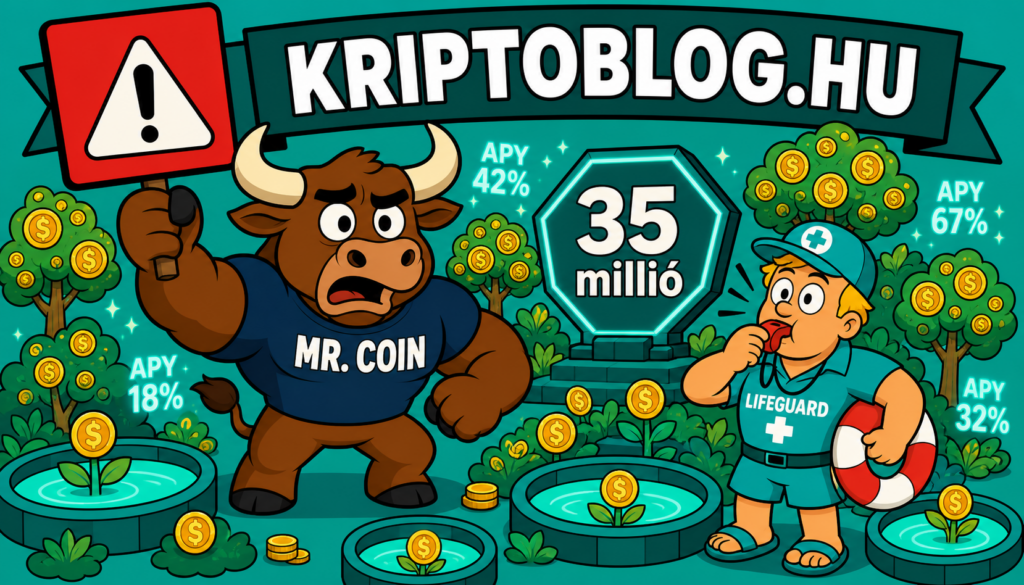
A former financial executive in Washington state has been sentenced to two years in prison for embezzling $35 million from his company and investing the funds into a failed decentralized finance (DeFi) platform. This case serves as a stark reminder that while the DeFi sector offers significant opportunities, it also carries substantial risks, and combating fraud is becoming increasingly critical.
Details of the Fraud
The perpetrator, a former finance leader, misappropriated $35 million from his employer, diverting the funds into a DeFi platform under the guise of a legitimate investment. However, the platform ultimately collapsed, resulting in the loss of the invested capital and the exposure of the fraud. The sentencing demonstrates that authorities are taking fraud related to the DeFi sector seriously and are imposing strict penalties on offenders. This case is particularly concerning as it involves a high-ranking individual whose actions erode trust in financial systems.
The Vulnerabilities of the DeFi Sector
The rapid growth of the decentralized finance (DeFi) sector has created numerous new opportunities for investors, but also presents significant security and regulatory challenges. DeFi platforms are often anonymous and less regulated than traditional financial institutions, making them attractive targets for criminals. Smart contract vulnerabilities, rug pulls (where developers abscond with invested funds), and outright fraud all pose potential threats to investors. While blockchain technology itself is secure, the applications built upon it can be vulnerable.
The Role of Regulation
Regulating the DeFi sector is a complex issue. Overly strict regulations could stifle innovation, while insufficient regulation could create opportunities for fraud and abuse. Regulators worldwide are working to establish appropriate regulatory frameworks that protect investors while allowing the DeFi sector to develop. In the United States, the SEC (Securities and Exchange Commission) and other regulatory bodies are increasing their scrutiny of DeFi projects and implementing stricter regulations.
The Future of DeFi: Ethereum and Solana
Ethereum and Solana blockchains are leading the way in the DeFi sector, and the decentralized finance world is expected to gain new momentum in 2026. According to Coindesk, these platforms are enabling a reimagining and development of DeFi applications. Technological advancements, such as improving scalability and reducing transaction costs, will be crucial for the widespread adoption of DeFi. Ethereum’s transition to a Proof-of-Stake (PoS) consensus mechanism has significantly reduced its energy consumption and improved scalability, while Solana stands out for its speed and low transaction fees. Collaboration and further development of these two platforms are expected to bring new innovations to the DeFi sector in the future.
What Can Investors Do?
Investors need to exercise extreme caution in the DeFi sector. It’s crucial to thoroughly research investment opportunities and only invest in platforms that are reputable and transparent. It’s advisable to verify the security of smart contracts and review platform audit results. Wallet security is also paramount, so using a hardware wallet and securely storing private keys is recommended. Remember that DeFi investments carry high risks, and invested capital can be lost. Understanding the risks associated with yield farming is essential.
Conclusion
The sentencing of the Washington financial executive sends a clear message to criminals operating in the DeFi sector: authorities will not tolerate fraud and will punish offenders severely. Investors, in turn, must be aware of the risks and carefully choose their investment opportunities. The future of the DeFi sector hinges on a balance between regulation, security, and innovation.




Comments
Share your view: questions, corrections, and counterpoints are welcome. Comments are for constructive, useful discussion.