 blog
blog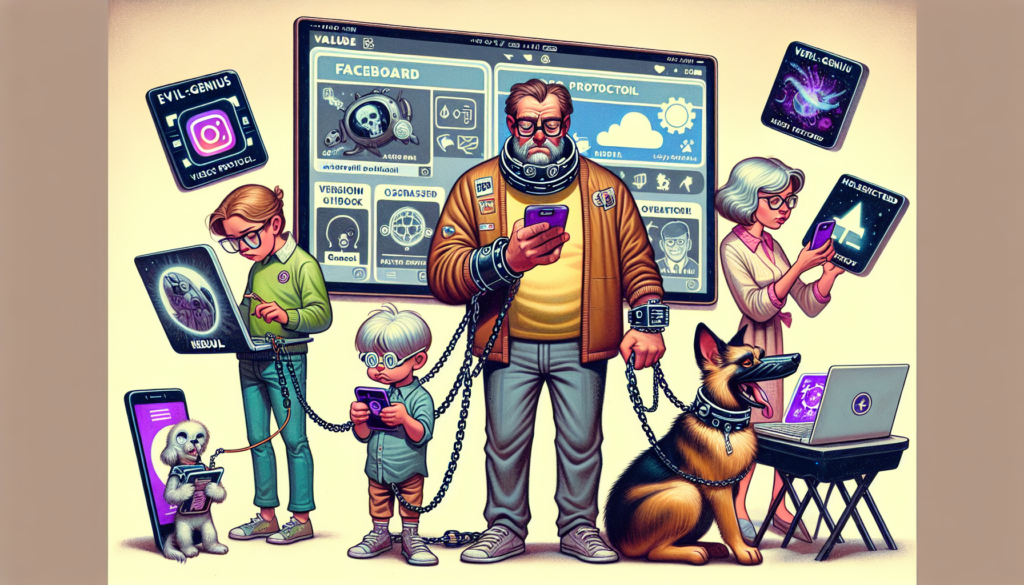
Blockchain-Based Social Media: The Next Generation
Traditional social media platforms — Facebook, X (Twitter), Instagram — are in the hands of centralized companies. They decide what you see, what you can post, and can delete your account at any time. The Web3 social media wants to change this: decentralized, censorship-resistant, and the user owns their data. But does it work in practice?
The Three Largest Web3 Social Platforms
Nostr – Radical Freedom
A Nostr (Notes and Other Stuff Transmitted by Relays) is not an application, but a protocol:
- Anyone can run a relay (server) – there's no single control point
- User identity is built on cryptographic key pairs – not email, not phone number
- Lightning Network integration: Native Bitcoin tipping (zap) built in
- Jack Dorsey (Twitter's founder) supports and finances it
- Clients: Damus (iOS), Amethyst (Android), Primal (web)
Advantages: Full censorship resistance, no central server, Lightning native
Disadvantages: Difficult UX, spam problems, low mainstream adoption
Farcaster – Ethereum's social network
A Farcaster is a "sufficiently decentralized" social protocol:
- Identity is on Ethereum, content on off-chain hubs
- Frames: Interactive mini-applications in posts (voting, NFT mint, games)
- A Warpcast is the leading client application
- A popular platform among the crypto developer community
- Received a $150 million investment from a16z in 2024
Advantages: Active, quality community, innovative Frames feature
Disadvantages: Crypto bubble (mainly used by crypto people), mainstream audience distant
Lens Protocol – The on-chain social graph
The Aave team-developed Lens Protocol:
- Your social graph (followers, content) is yours as NFTs
- Any application can build on Lens data – your audience is portable
- Runs on Polygon/zkSync for low fees
- Clients: Hey (formerly Lenster), Orb, Buttrfly
Why Does This Matter?
The problems of centralization
- Platform dependency: Terminating a Twitter account can destroy a decade-long community
- Algorithm control: The platform decides what to show – not you
- Data trading: Your data is the product – the ad revenue isn't yours
- Censorship: Political, economic, or arbitrary content moderation
Web3 solutions
- Portable identity: Your followers and content don't belong to the platform – you can take them anywhere
- Monetization: Direct revenue through Lightning zaps, NFTs, or tips
- Censorship resistance: On decentralized infrastructure, there's no single "off switch"
- Transparency: Open source, auditable algorithms
The challenges
- Network effect: The value of social media comes from user numbers — Web3 platforms are still small
- UX: Key management, wallet connection — too complicated for the average user
- Moderation: On decentralized platforms, it's harder to manage spam, hate speech, and illegal content
- Scalability: Blockchain cannot serve a billion-user base — that's why hybrid solutions are needed
SocialFi Tokens
Several Web3 social projects have also issued tokens:
- Friend.tech: The "social token" concept where you can trade tokenized keys of followers — huge hype, then rapid decline
- DESO (DeSo Protocol): A social media-specific blockchain
- Most SocialFi tokens are speculative — the real value is in the protocol, not the token
In Conclusion
Web3 social media in 2026 is still early phase early. It won't replace Facebook or X tomorrow. But the demand for user ownership and censorship resistance is real — and the technology is evolving.
The next revolution in social media won't be a new app, but a new model: where you are the owner, not the platform.
⚠️ Legal disclaimer: This article is for informational purposes only and does not constitute investment advice. All investment decisions are made at your own risk.


Comments
Share your view: questions, corrections, and counterpoints are welcome. Comments are for constructive, useful discussion.